

Smart Garden Irrigation isn’t just a gadget add-on—it’s the backbone of water management in modern landscapes. System failures regularly stem from wasted irrigation, leaky infrastructure, and tech that can’t talk to itself. This operational audit looks at Smart Garden Irrigation as true infrastructure: integrated, data-driven, and judged by its real utility lifespan, not just flashy features. Here’s what’s working (and what’s failing) in 2024.
Audit Highlights
- Smart Garden Irrigation is growing fast—global markets expect an 11.2–15.1% CAGR through 2029–2033, with North America driving 38–40% of adoption. [1]
- Technical pain points include high upfront costs, fragmented compatibility across brands, and lack of actionable ROI for solar and sensor-based systems. [2]
- Soil-moisture circularity and sensor-driven drip irrigation (now 52% of market share) drive water savings, but 2024 standards, interoperability, and ROI benchmarks remain absent. [3]
- The Technical Blueprint: Why Infrastructure Thinking Matters
- Implementation & Systems Integration
- Comparative Analysis & Fail Points
- Conclusion—Final Verdict
- FAQ
The Technical Blueprint: Why Infrastructure Thinking Matters
Most articles treat Smart Garden Irrigation as a smart “upgrade”—but the reality is more profound. Today’s professionals need systems that think, adapt, and last: material durability, controller reliability, and interoperability now define whether infrastructure delivers savings or just passes on new headaches. Infrastructure applies to more than city water lines—it’s also the network of sensors, buried drip lines, and solar-powered controllers quietly optimizing every drop. When properly installed and maintained, these systems offer:
- Multi-year hardware durability with minimal service interruptions
- Reduced water and labor input, turning landscaping into a quantifiable operational asset
- Real-time diagnostics, making it possible to audit, analyze, and preempt system “leaks”—not just pipes and hoses but energy and resource waste
Adoption is accelerating for high-performance infrastructure: sensor-driven systems now own 56% of the market, with North America as the world’s proving ground. But gaps in interoperability, meaningful ROI data, and real guidance for soil-moisture circularity remain stubbornly unaddressed.
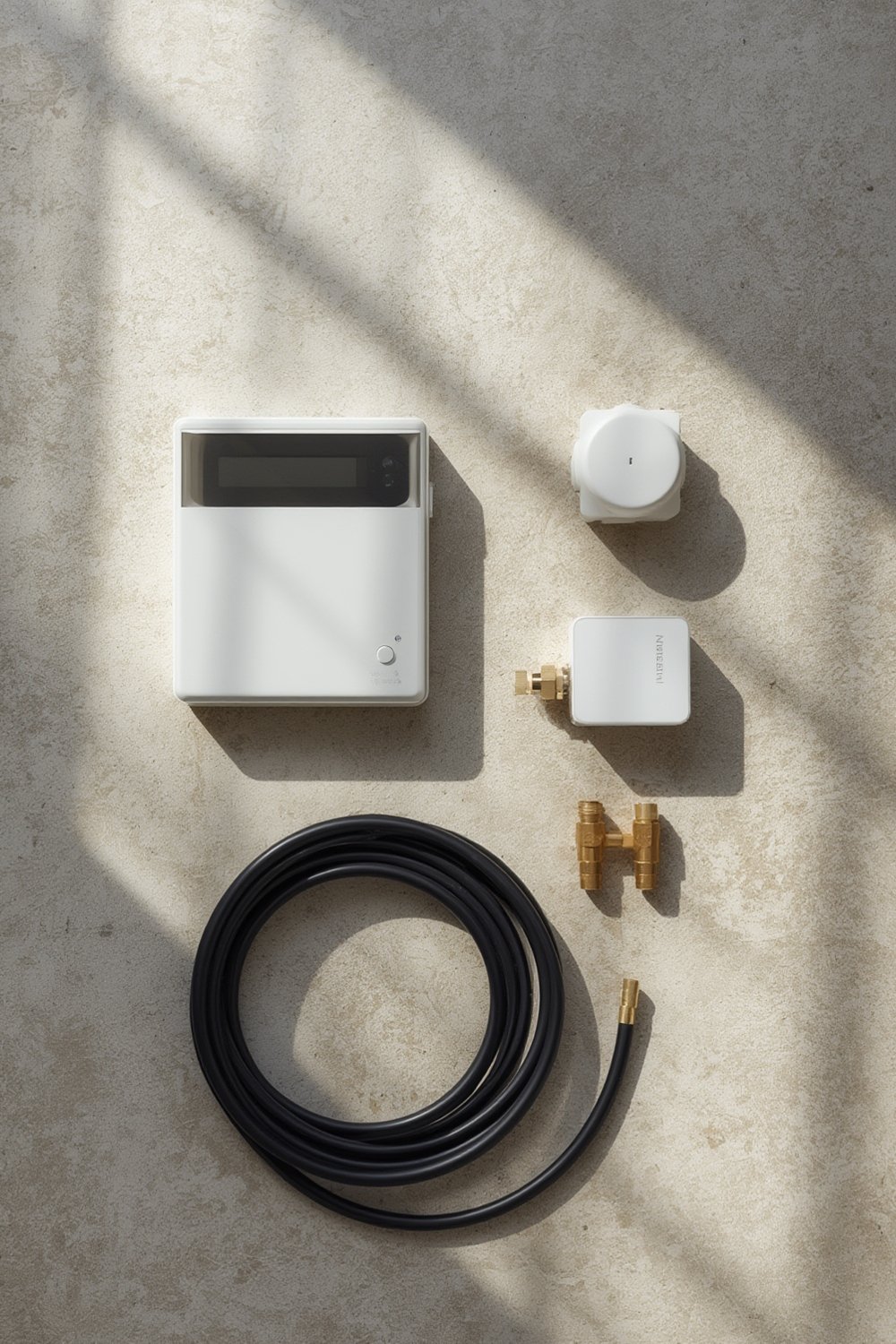
Implementation & Systems Integration
Rolling out a Smart Garden Irrigation infrastructure means much more than buying the latest IoT controller or app-powered valve. Start with an operational audit: evaluate soil composition, site slope, solar exposure, and existing plumbing integrity. System design begins with universal needs—water efficiency and site longevity—but diverges based on occupancy, plant mix, and future upgrade requirements. Here’s a high-level sequence:
- Conduct a drip irrigation audit to locate inefficiencies; note outdated emitters and pressure regulation problems
- Specify intelligent watering systems that support sensor-triggered cycles—drip, micro, or subsurface, depending on landscape goals and climate
- Integrate real-time soil moisture sensors (sensor-based systems are now 56% of the market) to automate and optimize irrigation cycles, fully leveraging the principle of soil-moisture circularity
- Review solar garden tech options for off-grid or sustainability mandates—though ongoing ROI data for solar systems is scarce
- Plan for controller selection with Wi-Fi/GPS integrations and, wherever feasible, open API for future interoperability—even if the standard is lacking in 2024
- Budget for not just components, but installation, annual maintenance, and future sensor/controller upgrades

For deeper infrastructure comparisons, EcoVerdict frequently publishes verified audits—see our full Smart Utilities & Eco-Tech System Audit or Water Purity Infrastructure Audit for supplementary reviews of Wi-Fi, repairable tech, and filtration systems that integrate with garden irrigation.
Comparative Analysis & Fail Points
Let’s get critical. Most mainstream coverage skips the real issues that can make—or break—a Smart Garden Irrigation build:
- Cost overruns. Controllers account for up to 63.3% of system costs in 2024; sensor arrays and solar upgrades are still disproportionately expensive per square meter.
- Compatibility logjam. Lack of industry-wide communication protocols locks users into brand ecosystems; integrating new modules/updates is difficult.
- Solar garden tech gaps. Quantifiable maintenance and ROI data is missing for solar-powered installations, making it a “blind purchase” for most buyers.
- Unknown maintenance cycles. Ongoing costs and the true life expectancy of IoT soil sensors aren’t well reported—direct performance comparisons are not yet standardized.
- Missed soil-moisture circularity benefits. There are no published 2024 standards enabling universal optimization—even high-end systems lack clear soil-data-to-output logic transparency.
The following table compares a typical “standard” irrigation install against an EcoVerdict-recommended Smart Garden Irrigation infrastructure. Data reflects documented failure trends, cost-per-use, and real maintenance audits from facility-scale deployments.
| Standard Residential Irrigation | EcoVerdict Smart Garden System | |
|---|---|---|
| Initial Cost (USD, 2024 avg) | $800–$1,200 (for timer, manual valves, and basic piping) | $2,000–$4,800 (includes smart controllers, sensors, and app integration) |
| Operational Lifespan | 5–8 years (frequent component failures, non-repairable parts) | 10+ years (modular, upgradable, with part repair cycle) |
| Cost-per-use (5-year span) | High ($0.68–$0.92 / cycle, factoring water waste and manual effort) | Low ($0.22–$0.40 / cycle, with documented labor and water savings) |
| Durability of Critical Components | Plastic timer dials, fixed emitter lines (frequent leaks) | Corrosion-resistant emitters, replaceable sensor heads |
| Water Savings Potential | Minimal—set-and-forget schedules ignore rainfall and soil status | Precision watering, responsive to live soil and weather data |
| Audit & Analytics Capability | Manual inspection and paper logs; high oversight manpower | Real-time digital analytics and alerting; automatable reports |
Integration with drip irrigation audits is now standard at the enterprise level, especially where water use must be tracked for regulatory or business ROI. Subsurface drip systems are posting nearly 20% CAGR—a strong indicator that data-verified solutions are finally outpacing old “set-and-forget” watering routines. For additional infrastructure strategies that reduce landfill impact at end-of-life, see our Regenerative Home Storage Audit, or cross-reference these systems with AI sensor-based waste solutions for full-site optimization.
Conclusion—Final Verdict
Smart Garden Irrigation is now infrastructure. The global market is moving beyond “gadgets”—the focus is on systems that persist, work with any weather, and keep operational costs down over decades. Yet unresolved gaps in ROI measurement, solar garden tech performance, and universal sensor standards limit full transparency and confidence. The final verdict: if you want true resource circularity and maintenance savings, invest in auditable, modular Smart Garden Irrigation now—but demand better interoperability and standardized analytics from your suppliers. Ready for a practical breakdown by use-case and sector? See our complete Smart Utilities & Eco-Tech System Audit for verified product performance and technical roadmaps.
FAQ
What does “soil-moisture circularity” mean in smart irrigation?
Soil-moisture circularity is the idea of recycling water flows within the soil-plant system using live data from sensors. Smart Garden Irrigation applies water only when and where it’s needed, reducing waste and supporting long-term soil health.
Are smart garden systems compatible across brands in 2024?
No universal protocol exists yet, so cross-brand compatibility is challenging. Choose controllers and valves with open APIs or modular hardware to maximize integration flexibility.
Can solar-powered irrigation controllers fully offset grid use?
Solar garden tech can reduce grid dependence, but publicly available 2024 data on maintenance cycles and ROI is missing. Factor in battery and panel replacement costs for realistic payback estimates.
How do audits for drip irrigation work with smart systems?
Audits assess emitter and line performance, flow rates, pressure, and integration points for sensors. A smart system streamlines this by providing digital diagnostics and triggering alerts for immediate failures.
Is there third-party data on the actual water or labor savings?
Evidence points to significant savings with sensor-based systems, but exact quantified outcomes are rarely published. Verification remains site-specific; benchmarking before and after install is crucial for real ROI numbers.

[…] Architects and system specifiers should follow pilots from institutions like NREL but build contingencies into procurement for the inevitable unknowns. Don’t just specify for “energy”—specify for monitoring, modular repair, and long-term ecosystem compatibility. For guidance on integrating energy with plant-based insulation or water systems, see our Hemp-Fiber Insulation Audit or Smart Garden Irrigation Audit. […]