

### Blog Post:
Regenerative Bedding Audit exposes a system failure in most households: bedding is still treated as a disposable commodity, not part of the home’s health infrastructure. This operational audit uncovers the missing links between regenerative bedding claims, material transparency, and the real value of integrating circular bedroom tech. Instead of merely buying “green,” are you choosing bedding systems that actively restore the environment—and your sleep quality—for years?
Audit Highlights
- Premium organic bedding now captures nearly 30% of the market, but authentic regenerative claims remain difficult to verify due to a lack of unified biodegradability standards. [Source]
- Major industry gaps persist in consumer-facing data: no reliable, measurable figures exist for long-term waste reduction or end-of-life recycling rates for bedding systems.
- Transparent certifications (GOTS, EWG VERIFIED® (for full transparency)) and credible supply chain audits are critical checkpoints as demand surges 12% annually, especially among health-focused buyers.
- The Technical Blueprint
- Implementation & Systems Integration
- Comparative Analysis & Fail Points
- Conclusion
- FAQ
The Technical Blueprint
What does it mean to treat bedding as true infrastructure? A Regenerative Bedding Audit examines every phase—raw material selection, supply chain vetting, life-cycle durability, end-of-life protocols, and the fit with emerging circular bedroom tech platforms. The goal: maximum positive impact for your health and the environment, not just basic compliance or green branding.
Regenerative bedding starts at the farm (organic cotton, wool, natural latex), extends into clean processing (minimal toxic finishes, verified transparency), and ends with products designed for circularity—think biodegradable sleep systems and modular components. In 2024, the household application segment remains dominant, propelled by rising concern for indoor air quality and wellness-driven homes. Yet most bedding on the market lacks traceable data on sourcing integrity or system-wide benefits.

Implementation & Systems Integration
Integrating regenerative bedding into your home should follow a disciplined system audit process:
- Start by verifying all product certifications: look for GOTS and EWG VERIFIED® on both fiber and finished product.
- Examine detailed ingredient lists—avoid undisclosed chemical finishes or vague “eco” labeling.
- Prioritize bedding lines offering full transparency on farm/forest source, supply chain partners, and traceable organic latex harvest (for mattresses and toppers).
- Assess end-of-life pathways: Is the bedding system compostable, readily recyclable, or compatible with next-gen circular bedroom tech?
- Evaluate the manufacturer’s repair or refurbishment programs. Few provide them—yet these extend lifespan and cut true environmental cost-per-use.
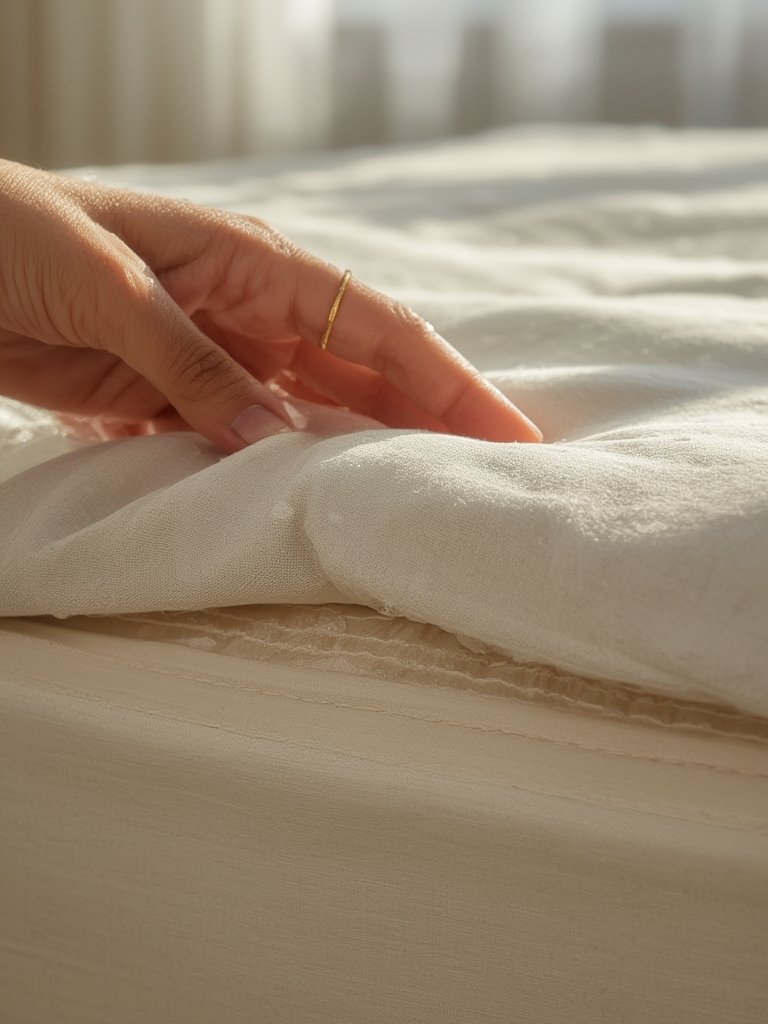
For advanced integration, map out your home as a system, not just a collection of standalone products. Pair regenerative bedding with upgrades in modular storage, eco-tech sensors, and repairable air-purification infrastructure. See our full Ethical Organization & Lifestyle Systems audit and the Smart Utilities & Eco-Tech Directory for related modular upgrades that strengthen your circular home infrastructure.
Comparative Analysis & Fail Points
Key Fail Points to Watch:
- Greenwashed Claims: Many bedding brands use “organic” or “natural” labels without credible, independent certification. Some even blend certified and uncertified materials, only referencing the certified percentage.
- Cost Premiums—No Payback: Regenerative bedding often costs 2-3x more than conventional options. However, without true durability and responsible end-of-life plans, that premium is wasted.
- Lack of Recycling Pathways: There is still no measurable industry data on effective recycling or waste reduction in bedding. Most discarded conventional mattresses and synthetics are still going to landfill.
- Unanswered Consumer Reviews: The entire category lacks consistent, transparent consumer review data for verified durability, comfort, wear, and audit-friendly complaint tracking—making it crucial to push for purchase transparency and robust feedback loops.
| System Feature | Standard Bedding | EcoVerdict Regenerative System |
|---|---|---|
| Initial Cost | $60 (sheets), $700 (basic mattress) | $120+ (GOTS sheets), $1,500+ (organic latex mattress) |
| Expected Lifespan | 2–4 years (synthetic/poly blends), 6–8 years (basic mattress) | 7–10 years (certified organic sheets), 12–20 years (organic latex mattress) |
| Cost-per-use | High: breakdown and landfill costs increase total cost (no recovery) | Low: longer lifespan, designed for reuse or composting |
| Certifications | Rare, usually absent | GOTS, EWG VERIFIED® (for full transparency) |
| End-of-Life | Landfill (no clear path) | Compostable/recyclable when verified, though standards are still evolving |
Many so-called “sustainable” bedding products fail somewhere along this comparison—either in non-disclosed blends, weak third-party audit trails, or by marketing high prices with no plan for lasting impact. The good news: a handful of leading brands—including Naturepedic, Boll & Branch, Coyuchi, and Parachute—are improving both material integrity and product innovation. Naturepedic’s 2024 launch of five new GOTS-certified bedding lines sets a new bar, but the industry as a whole remains patchy. See independent market analysis for more.

Conclusion
The environmental and health promise of bedding is only unlocked when you approach it as infrastructure, not a seasonal retail item. End-to-end transparency, closed-loop material sourcing, circular bedroom tech, and verifiable third-party certifications distinguish a true Regenerative Bedding Audit. Most brands do not yet deliver; but the data shows momentum and consumer pressure is forcing the market forward. If you’re serious about upgrading your entire home system for circularity, don’t stop at bedding—see our full Regenerative Home Storage audit and Circular Kitchen Infrastructure Hub to rebuild every room for zero-waste, high-performance living.
Your next step: apply these audit criteria before your next bedding purchase. Regenerative Bedding Audit is more than a shopping filter—it’s a strategy for cleaner sleep, less waste, and a genuinely resilient home. See the rest of EcoVerdict’s Low-Impact Bathroom System Audit or Ethical Organization & Lifestyle Systems to extend your audit across every space.
FAQ
What makes bedding “regenerative” instead of just sustainable?
Regenerative bedding goes beyond avoiding harm or reducing impact; it seeks to actively restore soil health, support biodiversity, and invest in closed-loop, non-toxic manufacturing. Key signals include GOTS or EWG VERIFIED® certification and disclosed end-of-life pathways that return value to the environment.
Which bedding certifications should I trust in 2024?
The Global Organic Textile Standard (GOTS) and EWG VERIFIED® are currently the gold standards for transparency, material vetting, and safety. Beware of “in-house” or less stringent certifications that allow loopholes for partial blends or unverified materials.
Why does regenerative bedding cost more than conventional bedding?
Higher costs reflect better raw materials, traceable sourcing, and investment in ethical third-party audits. While regenerative bedding can be 2-3 times more expensive upfront, its longer lifespan and lower waste typically reduce true cost-per-use over time.
Are there reliable recycling or composting programs for bedding yet?
No. As of 2024, there’s no widely adopted, measurable recycling or composting system for used bedding. Most claims are brand-specific and should be verified. Improvements are expected as circular bedroom tech becomes more mainstream.
How do I perform my own bedding audit before buying?
Ask to see both certifications (GOTS, EWG VERIFIED®), full ingredient lists, supply chain transparency reports, and explicit take-back or composting policies. If a brand won’t share this, chances are high it’s not truly regenerative.