

Modular Lighting Systems often fail in real-world settings not because the tech is lacking, but because decision makers underestimate the invisible cost of inflexible infrastructure—wasted materials, unexpected repair roadblocks, and missed opportunities for real sustainability. This Operational Audit exposes both the technical promise and the unresolved pain points that facility managers and sustainability consultants cannot ignore.
Audit Highlights
- The global Modular Lighting Systems market hit USD 7.37 billion in 2024, yet actionable cost and reliability data for repairable and modular systems remain missing. (Source)
- There’s a critical absence of real end-user feedback, cost comparisons, and technical standards—leaving organizations to operate in the dark.
- Regulatory momentum favors modular upgrades, but no quantified environmental benefit or standardized “heirloom lighting tech” benchmarks exist yet.
- The Technical Blueprint
- Implementation & Systems Integration
- Comparative Analysis & Fail Points
- Conclusion
- FAQ
The Technical Blueprint
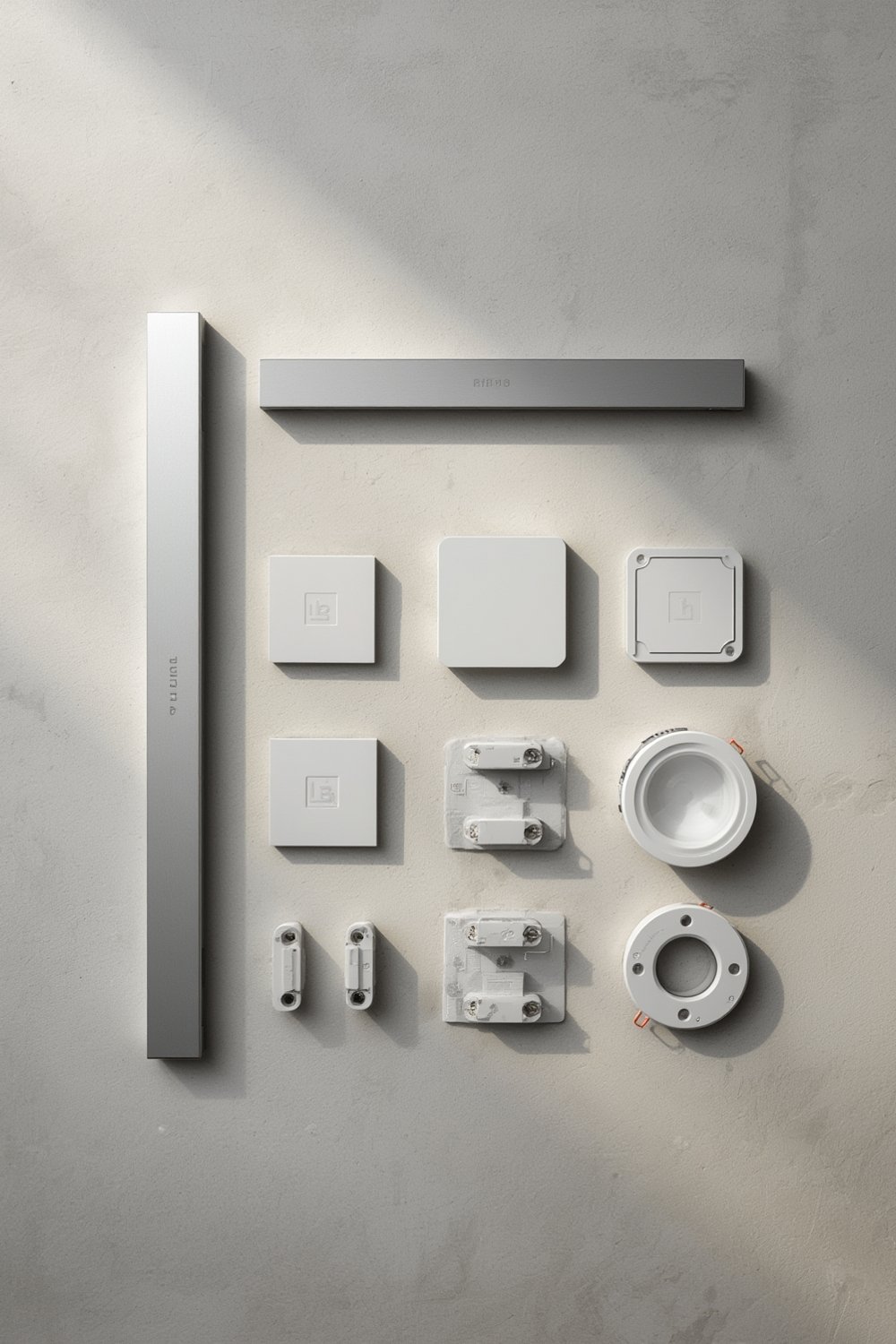
Modern lighting systems should function as permanent infrastructure, not fast-fashion gadgets. The “modular” approach was meant to fix the industry’s chronic waste—broken fixtures landfilled for tiny failures, models obsolete almost overnight. Instead, the eco-audit reality is that Systems with replaceable LED modules and repairable LED fixtures have the potential to dramatically extend service life and lower the overall cost-per-use—but only if there’s consistent adherence to build quality and parts interchangeability.
Material choice impacts recyclability and repair outcomes just as much as initial performance. True infrastructure-grade systems prioritize mechanical durability, transparent specifications for lumen output, and extended warranty terms—elements that remain frustratingly absent from most published manufacturer spec sheets. Until such standards are codified, even the best-intentioned modular upgrades risk becoming costly dead-ends rather than regenerative assets.
Implementation & Systems Integration
Auditing and upgrading with Modular Lighting Systems calls for more than “swap and forget.” Here’s what works—and what doesn’t—when moving from legacy fixtures or basic LEDs to future-ready infrastructure:
- Map existing wiring and mounting points before spec’ing modular upgrades to ensure compatibility and avoid “adapter creep.”
- Standardize on modular socket types and control protocols whenever possible to minimize spares inventory and shrink future troubleshooting time.
- Integrate sustainable lamp audits as part of your overall energy management plan, collecting quantitative data—not just vendor claims—to track failures and assess repair/replace cost cycles.
- Build relationships with suppliers and third-party repair specialists who can guarantee timely access to replaceable LED modules and control parts, not just new fixtures.
- Where possible, implement upgrades in high-turnover or critical-use areas first; learn from those “beta sites” to optimize broader system rollouts.
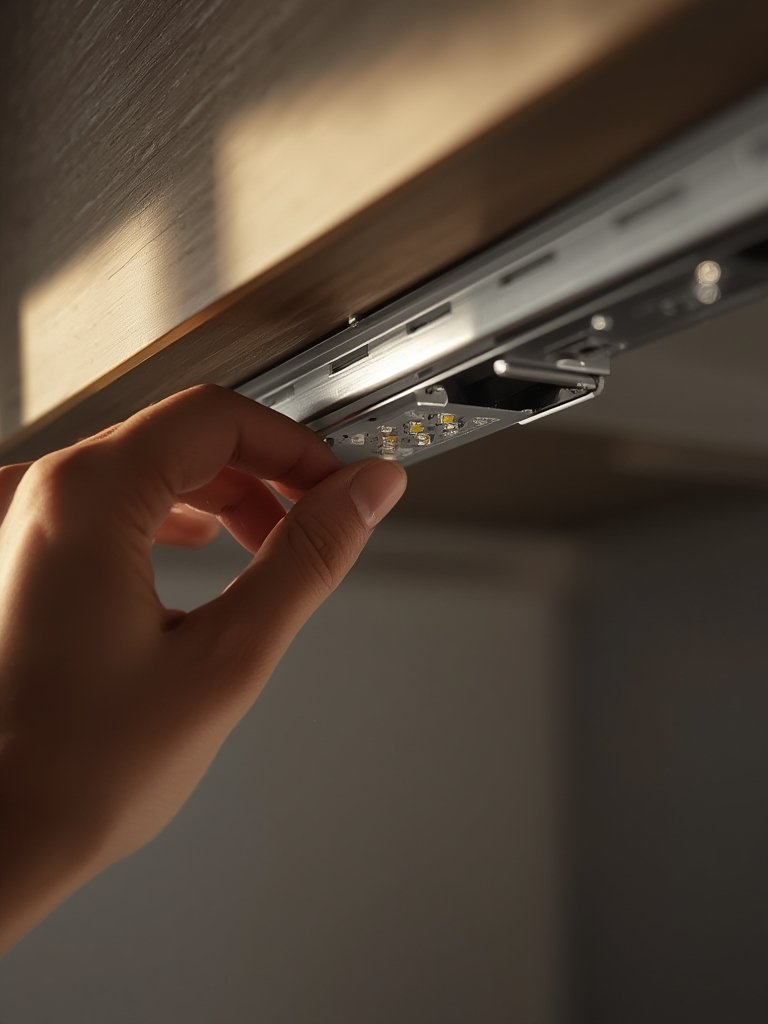
Integration is not just about hardware—ongoing training for maintenance teams, digital asset tracking, and on-demand reporting will ensure that modular lighting delivers real lifecycle value, not just a compliance box ticked during renovation.
Comparative Analysis & Fail Points
It’s easy to assume modular means better, but the facts are thin: real-world facility managers and procurement officers report that comparative cost data—upfront investment and long-term savings—are rarely made available by vendors or found in published case studies. Even critical benchmarks such as repair turnaround time, warranty fulfillment, or pain points for repairable LED fixtures are, as of 2024, more speculation than evidence.
Standards for heirloom lighting tech (like documented module interchangeability, consistent lumen output after repairs, or durable warranties) are still missing from industry frameworks. This puts organizations in the risky position of investing in what is marketed as futureproof, only to discover that next-generation parts don’t fit last season’s sockets.
| Standard Lighting | EcoVerdict Modular System | |
|---|---|---|
| Cost-per-use | Low upfront, high over time due to short lifespan, frequent replacements (no transparent lifecycle data available) | Higher upfront, projected lower over time—pending audited operational lamp/maintenance data |
| Durability | Design often limits repair, modules non-replaceable, fixed lifespan (5-7 years typical) | Designed for field repair and module replacement, but no published standards for minimum module life or warranty; durability highly variable |
Major market reviews don’t discuss negative feedback or repairs. No published studies link modular upgrades or sustainable lamp audits to confirmed reductions in carbon footprint or e-waste according to recent LED module market analysis. The technical promise is clear, but documented outcomes are not.

Conclusion
Modular Lighting Systems could be the backbone of a new, repairable, and sustainable building ecosystem. However, today’s reality is messy: critical cost data, real user feedback, and enforceable technical standards remain out of reach. Most organizations still gamble on rhetoric—rather than rigorous audits—when transitioning to these systems. The Final Verdict: treat all claims with skepticism, and demand hard data on actual performance and cost. The burden is on the industry to close these gaps before modular lighting can be trusted as true, futureproof infrastructure.
Ready to compare modular lighting with other regenerative home systems? See our full Smart Utilities & Eco-Tech System Audit for technical spec sheets, repairability audits, and operational infrastructure guides.
FAQ
Are Modular Lighting Systems really more sustainable than traditional fixtures?
Theoretically yes, since they’re designed for component replacement rather than full disposal. But in practice, the lack of published lifecycle audits and standardized repair protocols makes it hard to verify actual sustainability benefits.
Can existing building wiring support Modular Lighting System upgrades?
Most modular systems are designed to retrofit onto standard wiring, but always verify manufacturer compatibility and check for unusual voltage or control requirements before purchasing.
Is there a standard for “heirloom lighting tech” yet?
No official technical or warranty standards define heirloom lighting technology in 2024. Interchangeability and repair terms are variable depending on the brand.
How do sustainable lamp audits tie into lighting upgrades?
Sustainable lamp audits help inventory every fixture, track repair vs. replacement events, and build a data-driven maintenance plan. They are essential for maximizing ROI and identifying early failures.
Where can I learn more about permanent home infrastructure systems?
See our Circular Kitchen Infrastructure Hub, Regenerative Home Storage Audit, and Water Purity Infrastructure Audit for deep-dives into built-to-last systems beyond lighting.