

### Blog Post:
Circular Laundry Drying exposes a hidden system failure in modern home infrastructure: laundry drying is still a major source of energy waste, lifecycle inefficiency, and missed operational savings for both residential and commercial settings. This independent operational audit examines why most facilities, multifamily residences, and even “green” homes lag in implementing genuinely circular, energy-efficient laundry drying solutions—and what you need to know to make a transition that actually works.
Audit Highlights
- The global laundry dryers market is projected to grow at 4.5% CAGR by 2031, with heat pump dryers and Electric drying racks operate at just 300–500W—far lower than conventional dryers—but real lifecycle and ROI data for heat pump dryers remain scarce in 2024 (source).
- Electric drying racks operate at just 300–500W—far lower than conventional dryers—but real lifecycle and ROI data for heat pump dryers remain scarce in 2024 (source).
- Regulatory drivers in the EU/UK are accelerating circular laundry drying adoption, especially via energy labeling, direct incentives, and standards for commercial operators. Major info gaps persist on tangible pain points and product verification.
- The Technical Blueprint
- Implementation & Systems Integration
- Comparative Analysis & Fail Points
- Conclusion
- FAQ
The Technical Blueprint
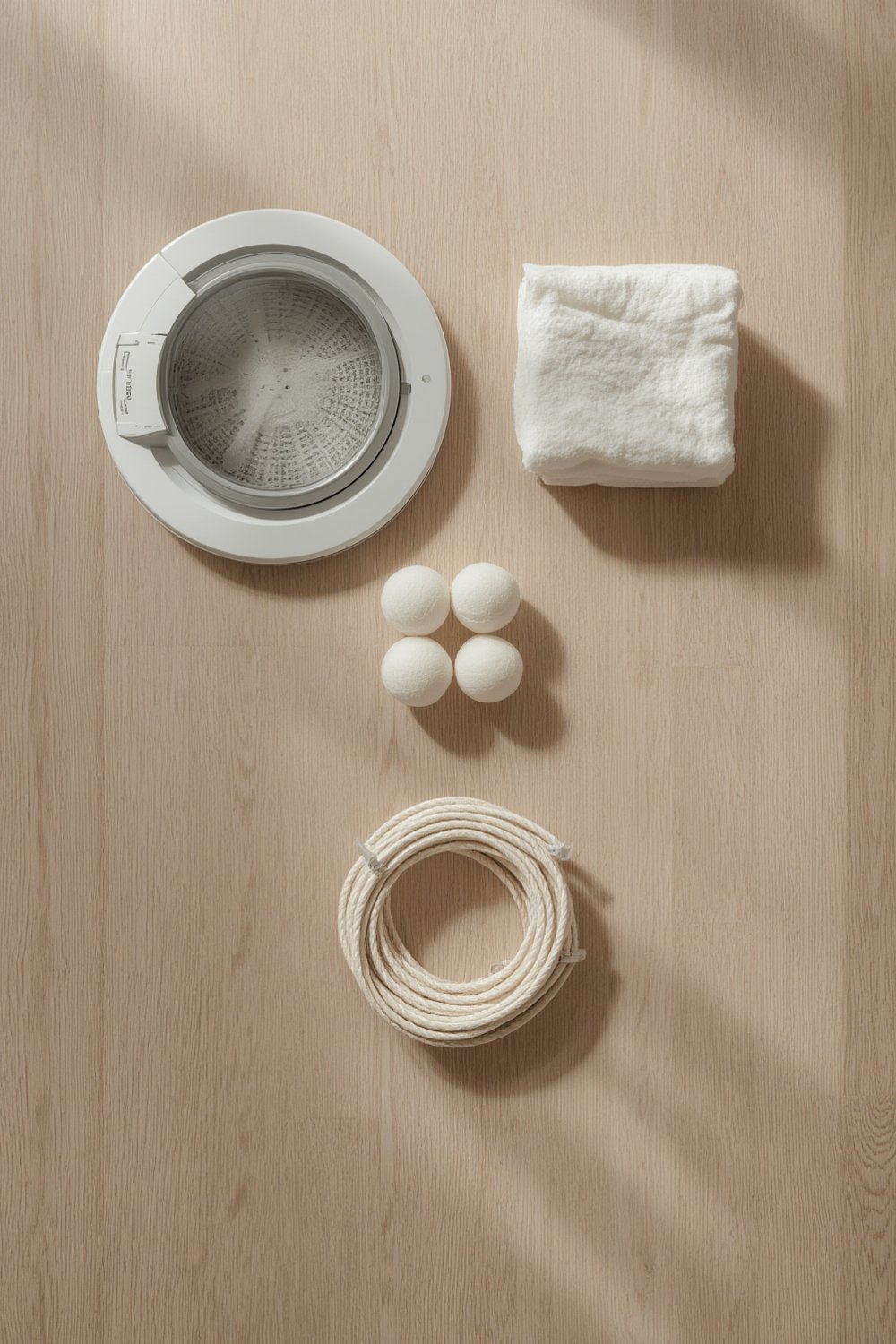
Circular Laundry Drying treats your drying system as critical home infrastructure, not just a consumer gadget. The concept demands every stage—from product selection to maintenance—supports lower energy use, durable materials, and closed-loop resource management. Facilities and forward-thinking homeowners face a decision: stick with conventional vented or condenser dryers, or invest in heat pump dryers, rack systems, and passive air solutions designed to be both efficient and circular over their service life.
Why shifts are urgent:
– Traditional tumble dryers (especially basic electric models) are notorious energy hogs, with high running costs and short unit lifespans. These systems lock homes and businesses into wasteful, high-carbon cycles.
– Circular drying options—like heat pump dryers, folding electric racks, and lines—minimize energy draw, offer reparability, and align with future regulatory standards.
– Long-term, integrated laundry solutions can directly improve cost control for asset managers and sustainable operations leads, while also advancing compliance with stricter energy codes. However, validity and ROI depend on real-world fit, not theoretical performance.
This approach links seamlessly with next-gen home audits, such as our Circular Kitchen Infrastructure Hub and the Ethical Organization & Lifestyle Systems Audit, where every major utility is tracked for efficiency gains and material circularity.
Implementation & Systems Integration
Transitioning to Circular Laundry Drying means going beyond simply swapping one appliance for another. True system integration considers:
– Matching the solution to laundry load and site type (household, multifamily, or hotel/clinic).
– Planning for installation, electrical capacity, and maintenance—especially for commercial-scale upgrades.
– Managing initial downtime and workflow changes, especially when replacing gas-fired or high-speed bulk units.
– Identifying whether the building’s infrastructure supports low-temperature drying or passive methods (lines/racks), plus adequate venting if hybrid approaches are needed.
The operational payoff is bigger when you connect these systems with broader home or facility infrastructures, like integrated moisture-sensing ventilation, smart-home energy management, or even energy optimization tech (see our Smart Utilities Audit).
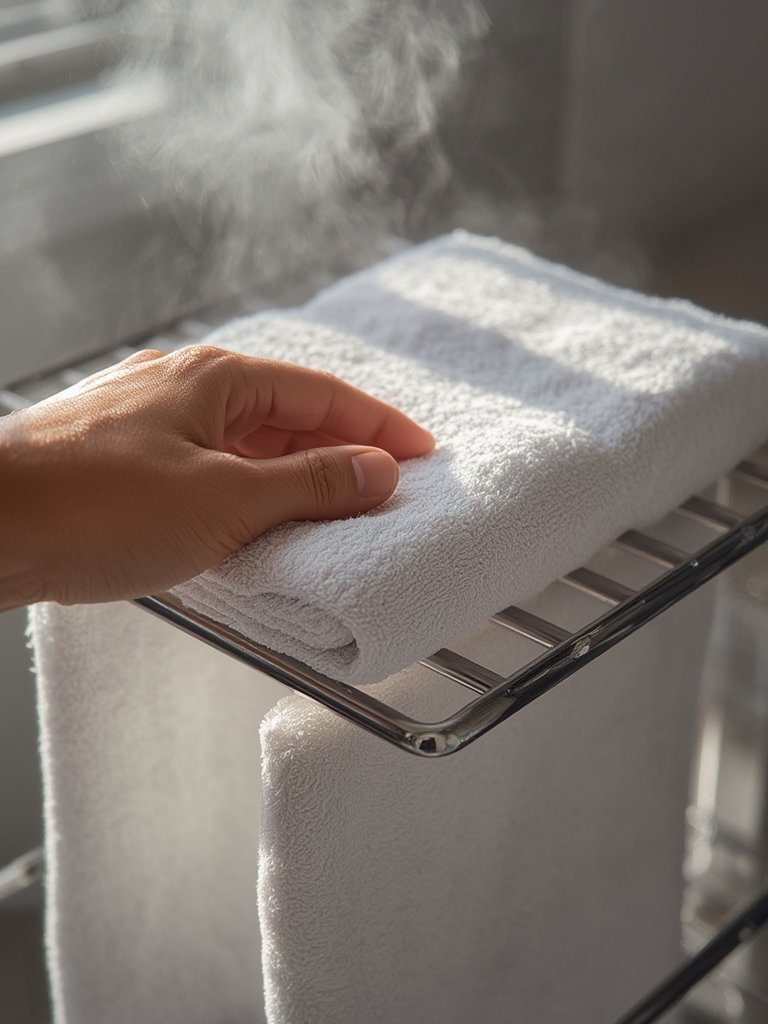
Some commercial managers have opted for water-reuse and heat recovery at scale—for example, via recent standards in Europe promoting circularity in laundries. Residential shifts are simpler: modular drying racks and lines require no plumbing or venting but may need changes in room layout and workflow, especially in small apartments or shared spaces.
For infrastructure-driven homes, consider integrating laundry drying systems with Low-Impact Bathroom Systems (for shared moisture control) and regenerative storage solutions for streamlined workflow and reduced clutter.
Comparative Analysis & Fail Points
Heat pump dryers often claim super-efficiency, but most published studies lack real-world cost-per-cycle, verified kWh, or lifecycle maintenance data. Major fail points include:
– Lack of granular, comparative audit data: Reliable figures for unit energy draw, durability, and emissions are rare—even leading market reports admit missing case studies (source).
– Upfront cost barrier: Heat pump dryers typically cost more than conventional units, and commercial users report difficulties sourcing high-capacity versions post-COVID (source).
– Integration pain: Commercial operators highlight scalability gaps; home users cite installation delays and circuit load issues. Drying racks are fastest to deploy but have lower batch capacity and require user behavior changes.
– Absence of verified wool dryer ball efficacy: No current data (2023–2024) validates claims on energy or fabric life improvements, creating confusion for those seeking quick sustainability wins.
| Category | Standard System (Vented/Gas/Electric) | EcoVerdict System (Heat Pump/Rack/Line) |
|---|---|---|
| Cost-per-use (est.) | High (due to 2,000–5,000W usage/multiple cycles) | Low to Moderate (300–500W electric racks; heat pump savings claimed but unverified) |
| Durability | Short to Moderate (parts may require frequent replacement; units often landfilled) | Moderate to High (fewer moving parts in racks/lines, repairable designs emerging) |
Key downside: While electric racks and lines offer much lower ongoing energy costs, scalability and user acceptance lag, and heat pump units can be difficult to service or repair outside large metropolitan markets.
On regulatory trends, only select markets (notably the EU/UK) mandate or incentivize truly circular solutions, leaving North American buyers with uneven standards. See our Eco-Tech Directory Audit for broader context.
Before making a switch, review what competitors miss: Only EcoVerdict’s audits explicitly call out missing efficacy data for wool dryer balls, real user pain-point reporting, and the lack of head-to-head product lifecycle case studies. Most content online glosses over these critical elements, leading to buyer confusion and suboptimal investments.
For a complete systems comparison including battery storage for drying infrastructure, see our Ethical Battery Storage System Audit.
Conclusion
Circular Laundry Drying is evolving from a sustainability buzzword to an essential home and commercial infrastructure choice. While energy-efficient tech like heat pump dryers and electric racks are on the rise, the lack of verified cost, performance, and lifecycle data muddies purchase decisions. Early adopters benefit from lower energy bills and regulatory alignment, but integration realities—installation, scalability, and user acceptability—must guide every purchase and transition plan.
Final verdict: Adopt circular systems where power and logistics allow, but demand hard audit data and verify ROI at every stage. The best value lies in clever integration, such as pairing drying racks with smart energy management and modular home infrastructures (see our full Smart Utilities & Eco-Tech audit).
Ready to benchmark your laundry setup? Start with the Circular Kitchen Infrastructure Hub and build out from there.
FAQ
What is Circular Laundry Drying and how is it different from using energy-efficient appliances alone?
Circular Laundry Drying treats drying as part of a closed-loop home system. It covers not just power use but also product durability, material recovery at end-of-life, and integration with whole-home ventilation and smart systems. Using an energy-efficient appliance is just one piece; a circular approach designs for zero waste and long service life.
How much energy do electric drying racks actually use versus traditional dryers?
Electric drying racks average 300–500 watts per cycle, compared to 2,000–5,000 watts for most vented electric dryers. Gas dryers can cost less to operate but have higher emissions and shorter unit lifespan. Racks are the most energy-efficient hardware option available in 2024.
Is there any proven evidence that wool dryer balls significantly reduce drying time or energy use?
No. As of 2023–2024, there is no public data or independent third-party testing proving that wool dryer balls reduce drying time, save energy, or extend fabric life within circular laundry systems.
What should commercial facility managers know before switching to heat pump dryers?
Commercial transitions to heat pump equipment often require changes to electrical systems, possible downtime, and addressing scalability concerns—especially with bulk loads. Supply chain delays have also affected delivery and installation schedules since the COVID era.
Are there direct policy incentives to switch to circular laundry solutions?
European and UK governments promote energy labeling, tax breaks, and direct incentives for circular systems (especially racks and lines). Other markets lag in dedicated incentives, so ROI calculations may differ regionally.
—