

Circular Coffee Systems are at the center of one major system failure in kitchens: nearly every cup of home-brewed coffee generates plastic, aluminum, or disposable filter waste that piles up landfill and recycling bins. Most households treat coffee hardware as disposable gadgets, not as infrastructure engineered for minimal waste and maximum operational lifespan. This Operational Audit dissects why rapid product churn and linear, throwaway design dominate this category—and how rethinking brewing tools as “Infrastructure” can re-route us to circular, zero waste coffee routines.
Audit Highlights
- Lab-grown coffee technologies are entering the market, valued at USD 12.3 million in 2024, as part of a broader circular economy trend.
- Coffee machine market growth reveals a shift towards permanent filter brewing and systems designed for lifetime use.
- Only 35% of aluminum capsules are recycled globally, demonstrating the urgent need for better zero waste espresso tech and infrastructure.
- The Technical Blueprint: What Makes a Circular Coffee System?
- Implementation & Systems Integration
- Comparative Analysis & Fail Points
- Conclusion & Final Verdict
- FAQ: Circular Coffee Systems
The Technical Blueprint: What Makes a Circular Coffee System?
Circular Coffee Systems are engineered infrastructure—not mere kitchen gadgets—that prioritize closed-loop material flows, longevity, and minimal operational waste. Unlike traditional coffee makers that rely on disposable filters, pre-packed capsules, or single-use materials, these systems incorporate robust, reusable components like stainless steel coffee drippers and compostable or recyclable side-streams brewing assemblies.
Material integrity is at the heart of these systems. Circular designs leverage stainless steel and reinforced polymers for dripper construction, reducing corrosion, microfracturing, and flavor contamination over thousands of brewing cycles. The goal: a platform engineered for a decade or more of daily use—avoiding the cycle of annual disposal and replacement.
This “infrastructure” approach aligns with the broader circular economy movement, as seen in the rise of lab-grown coffee technologies. These innovations, part of a market valued at USD 12.3 million in 2024, aim to close resource loops, minimize agricultural waste, and reduce the carbon cost of every cup brewed.

Permanent filter brewing is core to this approach, eliminating single-use papers and plastics. Leading systems integrate zero waste espresso tech with compostable or recyclable side-streams, creating a closed resource cycle from bean to cup to soil. This transforms the humble coffee station from a source of continuous micro-waste to a modular, repairable asset within circular kitchenware infrastructure audits.
Implementation & Systems Integration
Transitioning to Circular Coffee Systems requires both user readiness and thoughtful integration with existing kitchen routines. The first step: determine your household’s daily coffee volume, current brewing method, and waste generation profile. Does your setup rely on single-use pods or disposable filters? If so, audit the waste stream and calculate the true cost of consumables over a year.
Choose a stainless steel coffee dripper or espresso system with proven durability and a published maintenance protocol. Insist on brands that disclose expected lifespans, repair part availability, and full end-of-life recyclability. When evaluating products, prioritize modular designs that support easy cleaning, replacement of o-rings and screens, and hackable customizations.
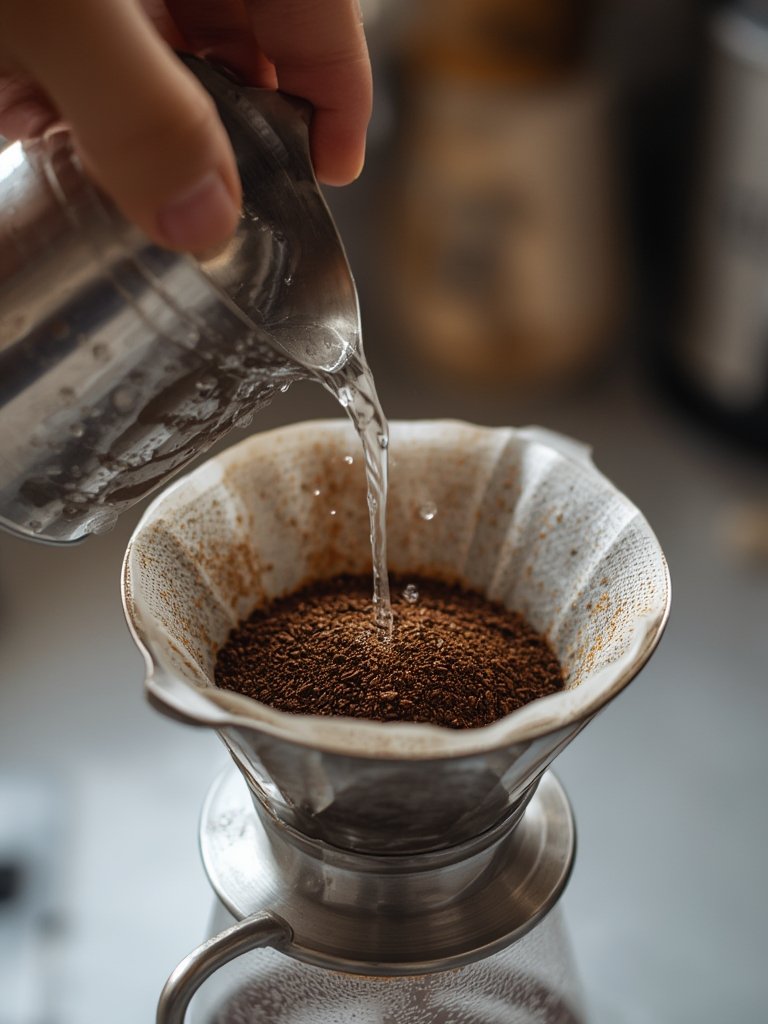
Many high-performance drippers and brewers now feature permanent filter brewing assemblies. These integrated mesh or etched-steel filters outlast typical paper filters by years, reducing annual consumable budgets to near zero. See our full Modular Refill Infrastructure audit for an extended methodology on embedding reusable systems across your kitchen.
Producers are ramping up circular infrastructure support, advancing compostable capsule formats, and building mail-back or curbside collection programs. Yet, as reported, only 35% of aluminum capsules reach recycling. To maximize your transition, prioritize products with high in-home repairability scores and clearly defined maintenance cycles. This ensures your system is not only circular in theory but also in practice—a core element of the Ethical Organization & Lifestyle Systems audit.
Comparative Analysis & Fail Points
Despite the promise of Circular Coffee Systems, several operational fail points remain. First, not all stainless steel coffee drippers are created equal: issues like mesh clogging, persistent “off” flavors, or a lack of standardized replacement parts can undermine circular gains. The absence of consumer feedback on technical reliability is a notable gap—potential users must conduct due diligence on specific models before committing.
Another limitation is market transparency. Brands rarely publish real-world lifespan data for permanent filter brewing hardware. Few competitors have yet to match the zero waste espresso tech benchmarks set by leaders—notably in areas like open-source parts, lifetime warranties, and support for home repairs.
Cost is another quarterback. While up-front investments in circular systems may be higher, lifetime cost-per-use drops significantly as annual disposable expenses are eliminated. However, proprietary designs or expensive replacement cartridges can still lock users into wasteful cycles, effectively repackaging disposability under the banner of circularity.
| Feature | Standard Coffee Maker | EcoVerdict Circular System |
|---|---|---|
| Cost-per-use (First 3 Years) | $0.30 – $0.45 (average, including filters/capsules) | $0.08 – $0.13 (no disposables after installation) |
| Durability | 2-3 years (planned obsolescence, high repair difficulty) | 10+ years (stainless steel core, user-repairable parts) |
| Annual Waste Output | 1800+ single-use items/household (filters/capsules/bags) | <50 items (none if composting grounds) |
| Maintenance Cost | High (buying filters, descaling chemicals, disposable parts) | Low (manual cleaning, rare inexpensive part swaps) |
| Circular Material Flow | Linear/disposable | Closed-loop/recyclable or compostable |
For real-world performance and integration tips, check our Smart Utilities & Eco-Tech Directory System Audit, including rapid diagnostics on repairable brewing tech.

Even with best-practice systems, vigilance is needed. User feedback on stainless steel drippers remains underreported; flavors, cleaning build-up, and micro-residue can persist if not properly maintained. These drawbacks underline the value of transparent maintenance guides and real user reviews, similar to those found in our Modular Appliance Repair audit.
Pricing remains opaque due to rapid market growth. While we know the global coffee machine market will hit USD 26.77 billion by 2031, clear cost breakdowns for fully circular systems are needed. Early indicators suggest long-term savings, but only when maintenance and part replacement are straightforward and affordable.
Finally, while new innovations like compostable and recyclable capsules mark major progress, none fully close the loop like steel or glass-based systems with zero-waste espresso tech.
Conclusion & Final Verdict
Circular Coffee Systems are more than just another product cycle; they are foundational kitchen infrastructure for the eco-conscious household. Through permanent filter brewing, zero waste espresso tech, and modular stainless steel coffee dripper design, these systems minimize hidden waste and operational churn. Yet—weaknesses persist in lifespan clarity, user guidance, and cost transparency.
Our Final Verdict: Circular Coffee Systems offer powerful operational and environmental advantages—provided users demand open data on technical specs, repair protocols, and real-world maintenance costs. Closing the loop requires brands to treat brewing not as a disposable routine but as a platform for sustainable infrastructure. For a deeper dive into building your own zero waste kitchen, see our full Circular Kitchen Infrastructure Hub audit.
FAQ: Circular Coffee Systems
What is a Circular Coffee System?
A Circular Coffee System is a set of brewing tools and infrastructure designed for long-term use, minimal waste generation, and end-of-life recyclability. It typically uses permanent filter brewing to replace disposable filters and capsules.
Are stainless steel coffee drippers better for the environment?
Yes, when sourced from reputable brands using durable materials. Stainless steel coffee drippers eliminate single-use filters and can last for years with proper maintenance, reducing total household coffee waste.
How do Circular Coffee Systems compare in cost to regular coffee makers?
While initial costs may be higher, Circular Coffee Systems save money over time by eliminating disposable filter and capsule purchases. Maintenance costs are usually low, centered around occasional cleaning and infrequent part replacement.
What are common fail points in current circular coffee products?
Common issues include unclear maintenance protocols, mesh clogging, lack of replacement parts, and insufficient transparency on expected product lifespan. Users should verify these factors before purchase.
Can compostable capsules fully replace permanent filter brewing?
No—the best compostable or recyclable capsules still create packaging waste and require curbside or mail-back programs. Permanent filter brewing eliminates these side streams, delivering a truer zero waste experience.