

### Blog Post:
Hemp-Fiber Insulation is often promoted as a game-changing material for sustainable construction, but most modern buildings still hemorrhage energy—mainly because insulation is specified and installed as a consumer commodity, not as high-performance infrastructure. In this operational audit, we examine where traditional and emerging insulation systems break down, and determine if hemp-fiber insulation delivers reliable performance, lifecycle value, and regulatory clarity for advanced carbon-negative buildings.
Audit Highlights
- Hemp-fiber insulation’s thermal conductivity (0.055–0.065 W/mK) lags behind mineral wool and fiberglass; matching energy performance requires increased thickness and careful detailing. [Data]
- No independently verified carbon-negative lifecycle assessment (kg CO₂e/m²) exists for hemp-based insulation as of 2024, making procurement transparency difficult. [Evidence]
- Gaps persist in field data for installation labor, moisture management, and building code integration—hindering confident large-scale deployment.
- The Technical Blueprint: Material Integrity & System Utility
- Implementation & Systems Integration: Steps, Pro Tips, and Shortcuts
- Comparative Analysis & Fail Points
- Conclusion: Infrastructure Verdict
- FAQ
The Technical Blueprint: Material Integrity & System Utility
Rethinking insulation as infrastructure demands proven, verifiable data—especially for professionals specifying carbon-negative buildings. The technical story of hemp-fiber insulation unfolds across three axes: thermal efficiency, lifecycle assessment, and regulatory fit.
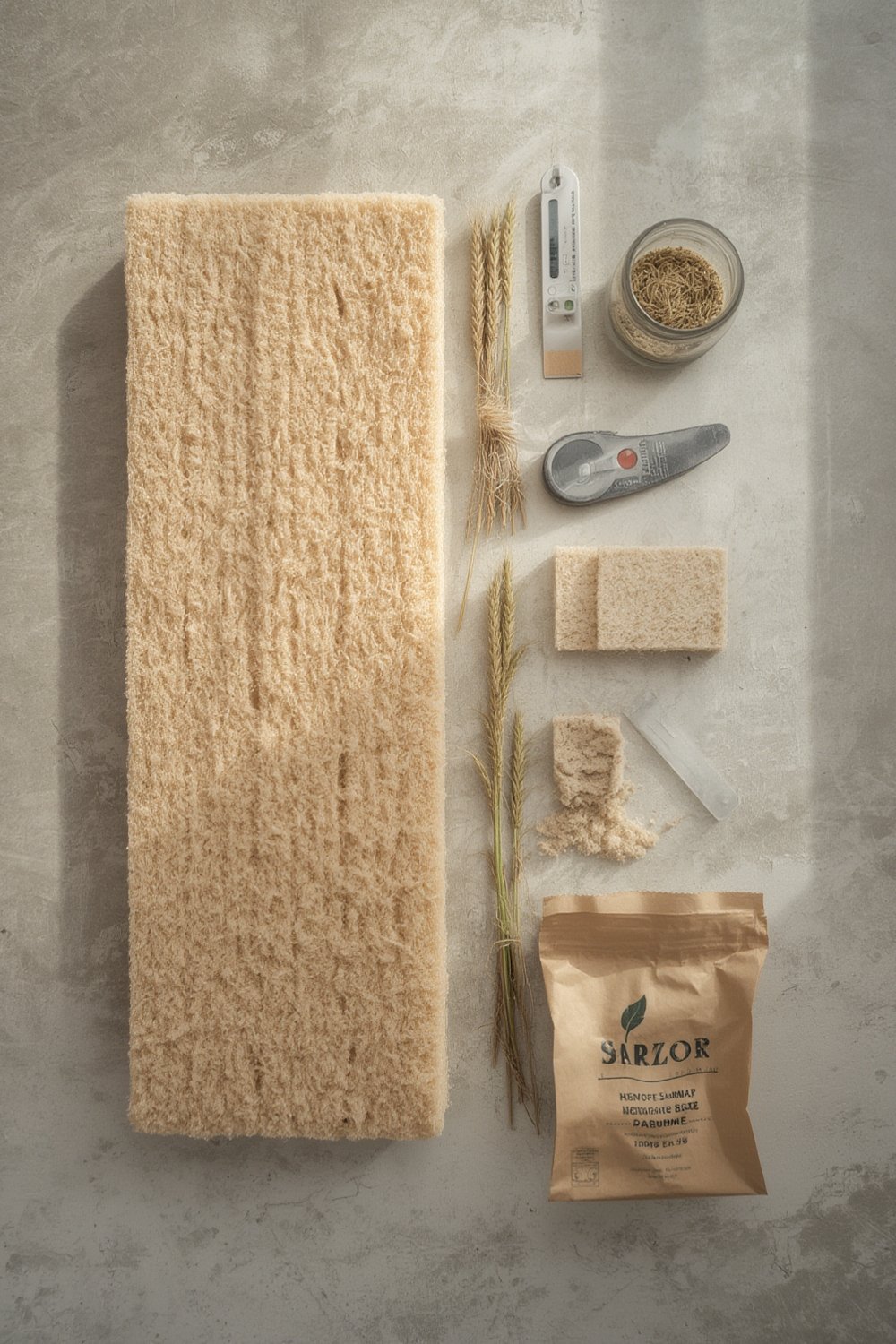
Thermal Efficiency of Hemp-Fiber Insulation (2024)
Peer-reviewed studies reveal hemp-based insulation’s thermal conductivity ranges from 0.055 to 0.065 W/mK (Reference), while modern glass wool achieves 0.032 ± 0.0017 W/mK. That’s a meaningful performance gap. However, when U-values are matched (by using thicker hemp layers), results show that energy use and annual heating/cooling costs are similar among hemp, cellulose, and mineral wool systems (Study).
But if installation depth is constrained (as in retrofits), hemp’s higher thermal conductivity reduces its effectiveness compared to standard mineral wool or fiberglass. Many specifiers overlook this in project costing and carbon assessments.
Lifecycle Assessment Challenges
Hemp-fiber insulation is routinely advertised as having “carbon-negative” potential, mainly due to sequestration during cultivation (Study). Unfortunately, as of 2024, there are no independently audited lifecycle carbon numbers (kg CO₂e/m²) available for typical products. This serious information gap limits the ability to verify environmental claims for certifications or public projects.
System Function: Moisture, Fire, and Code Fit
Hemp insulation is naturally hygroscopic and offers some moisture regulation, but there’s no comprehensive field data on how it holds up in high-humidity or leaky envelope scenarios (Offsite Builder 2022). 2023 fire testing (ASTM E84) on fire-retardant treated products like HempWool+ shows a flame spread index of 10 and smoke developed index of 110—outperforming some fiberglass, though it does not reach the non-combustible standard of mineral wool. However, there are no new building code inclusions or clear national installation standards for hemp-fiber insulation yet.
Market Impact: Volume and Growth
Insulation now claims 41.7% of the hemp-based building products revenue market in 2024 (Grand View Research), emphasizing its growing importance. Yet, compared to fully audited categories like circular kitchen systems or home waste infrastructure, documentation is lacking.
For holistic sustainability results, true integration will involve both hemp-based insulation and system-based assemblies—especially with new modular wall and refill infrastructures.
Implementation & Systems Integration: Steps, Pro Tips, and Shortcuts
Specifiers and installers should approach hemp-fiber insulation as a structural infrastructure component rather than a commodity batt. Here’s how:
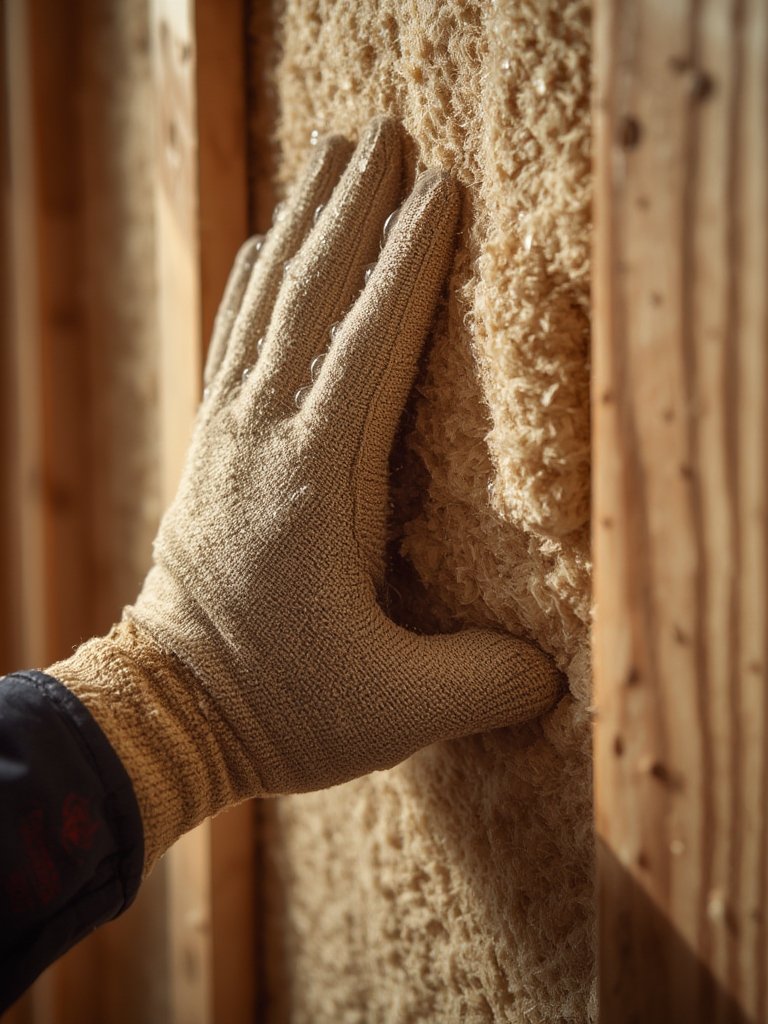
Installation: Labor and Sequencing
Hemp batts are semi-rigid and straightforward to trim, resulting in a relatively easy installation compared to rigid foam. However, unlike fiberglass, field data on labor cost or time-to-install is not independently published. For details on reducing installation friction and enhancing interoperability, see our full Ethical Organization & Lifestyle Systems audit.
Integrating Hemp with Sustainable Drywall
No existing market documentation outlines best practices for combining hemp insulation with sustainable, vapor-permeable drywall systems. For system-level air quality, indoor comfort, and wall assembly durability, more integration research is needed. For now, consider referencing emerging Smart Utilities & Eco-Tech practices for sensor tracking and assembly monitoring.
Comparative Analysis & Fail Points
Technical audits must move beyond marketing—what are the real pitfalls and performance risks of hemp-fiber insulation?
- Thermal Underperformance in Thin Assemblies: Due to its higher thermal conductivity, hemp insulation underdelivers where depth is limited and thermal bridging is present. Retrofits and prefab contexts need careful modeling and, often, material substitutions.
- Lifecycle Carbon Transparency Gap: No third-party verified life cycle assessment (LCA) with precise kg CO₂e/m² numbers is available as of mid-2024. This undermines project certification and bid-phase credibility.
- Installation and Durability Questions: Ongoing research acknowledges hemp’s “moisture-regulating” properties, but lacks real-world field audits of installation errors, mold, or user pain points—information that is routine in more mature systems like Low-Impact Bathroom Systems.
- Regulatory & Building Code Lag: No meaningful national or international code update has yet included hemp insulation as a standard material class, beyond individual project approvals. Installation standards remain patchwork at best.
- Cost Data Deficit: While some suppliers claim cost parity or savings (“most cost-competitive option”), there are no itemized breakdowns for material, labor, or transportation costs as of 2024. Build with caution—budget assumptions may not hold during procurement.
| System | Cost-per-Use (Estimated) | Durability Feedback (Field Data) |
|---|---|---|
| Standard Commodity Batts (Mineral Wool/Fiberglass) | Low (well documented, ~20-30 year replacement cycle) | High—known long-term performance, maintenance, and durability issues detailed in codes and audits |
| EcoVerdict System: Hemp-Fiber Insulation | Potentially competitive; lack of 2024 itemized data (claims only) | Unverified; no lifecycle durability or real-world problem tracking (Research gap) |
Conclusion: Infrastructure Verdict
Hemp-fiber insulation brings intriguing sustainability potential and reasonable installation logistics, but critical data gaps remain for code compliance, lifecycle carbon, and field-verified cost. Hemp-Fiber Insulation is not yet a drop-in infrastructure alternative where building science rigor is required—especially if procurement, regulatory, or certification risk exposure matters.
To anchor any carbon-negative specification, request full LCA documentation and verify all regulatory pathways before selecting hemp-based assemblies. For proven system-wide upgrades and more field-verified categories, see our full Ethical Organization & Lifestyle Systems audit and the comprehensive Regenerative Home Storage audit.
FAQ
Is hemp-fiber insulation a true carbon-negative material?
Not currently by verified, independent standards. While hemp absorbs carbon during growth, there are no peer-reviewed, third-party lifecycle carbon figures (kg CO₂e/m²) for major insulation products in 2024. Audit your supplier carefully if you need carbon-negative certification.
How does hemp insulation compare to traditional fiberglass or mineral wool for R-value?
Hemp insulation’s higher thermal conductivity (0.055–0.065 W/mK) means it provides less thermal resistance per inch compared to mineral wool or fiberglass. Achieving equivalent R-values will require increased thickness, as supported by current lab studies. [Reference]
What are the biggest risks or uncertainties with specifying hemp-fiber insulation?
Lack of field-verified data for installation pain points, moisture performance under real conditions, and clear cost/labor breakdowns as of mid-2024. Regulatory acceptance is another risk; always check local code approvals before specifying.
Is hemp insulation cost-competitive in 2024?
Most sources claim cost parity or some savings versus standard batt insulation, but there is no itemized cost audit (materials, labor, transportation) available. Budget cautiously and request supplier transparency.
What market share does hemp-based insulation currently represent?
According to Grand View Research, insulation accounts for 41.7% of total hemp-based building product revenues in 2024. [Study]

[…] To see how bio-material audits work in other categories, see our full Hemp-Fiber Insulation System Audit. […]