

Operational Audit: System Failure in Home Storage Design
Regenerative Home Storage is not just a fad—it exposes a chronic waste and lifecycle inefficiency in modern organization systems. Conventional bins and containers built with plastics and synthetics are still designed for short-term use and landfill, not as core home infrastructure. As materials like mycelium enter the conversation, it’s time for a technical audit: Where does regenerative home storage truly stand right now, and what remains theory?
Audit Highlights
- Mycelium organization technology is technically advanced but lacks market-ready, certified solutions for home storage in 2024.
- No published data exists for real-world durability, cost benchmarks, or user feedback for mushroom based bins—regulatory clarity is almost nonexistent.
- Material performance is promising: fire resistance, compostability, and carbon negativity that far exceed traditional home storage options, but production and quality control are significant obstacles.
- What is Regenerative Home Storage? A Primer on Mycelium Organization
- Why Mushroom-Based Bins Stand Out—and Where the Industry Stands in 2024
- Performance and Production—How Mycelium Organization Differs from Traditional Home Storage Materials
- Current Challenges and User Experience: What’s Stalling Wider Adoption?
- Durability, Cost, and Real-World Longevity: What Can Homeowners Expect?
- Regulatory Realities—Standards, Safety, and Certification Gaps
- What’s Missing? Critical Gaps in Today’s Discourse on Bio-Contributing Furniture
- Beyond the Concept—Examples, Near-Term Prototypes, and What’s Actually Working
- Final Verdict: Should You Invest in Regenerative Home Storage?
- FAQ
What is Regenerative Home Storage? A Primer on Mycelium Organization
Regenerative home storage redefines furniture and containers as elements of eco-infrastructure, not disposable goods. Instead of plastics, these systems leverage biomaterials like mycelium—fungal root structures—that are cultivated to bond agricultural waste (hemp, aspen, corn stalks) into durable forms. Mycelium organization is a true shift: the hyphae act as nature’s glue, digesting cellulose and lignin to forge solid, structured masses. Once grown and treated, these materials can rival traditional insulation or lightweight board while remaining fully compostable at end-of-life. The focus is long-term circularity and near-zero toxicity, not just “greening” disposable storage.
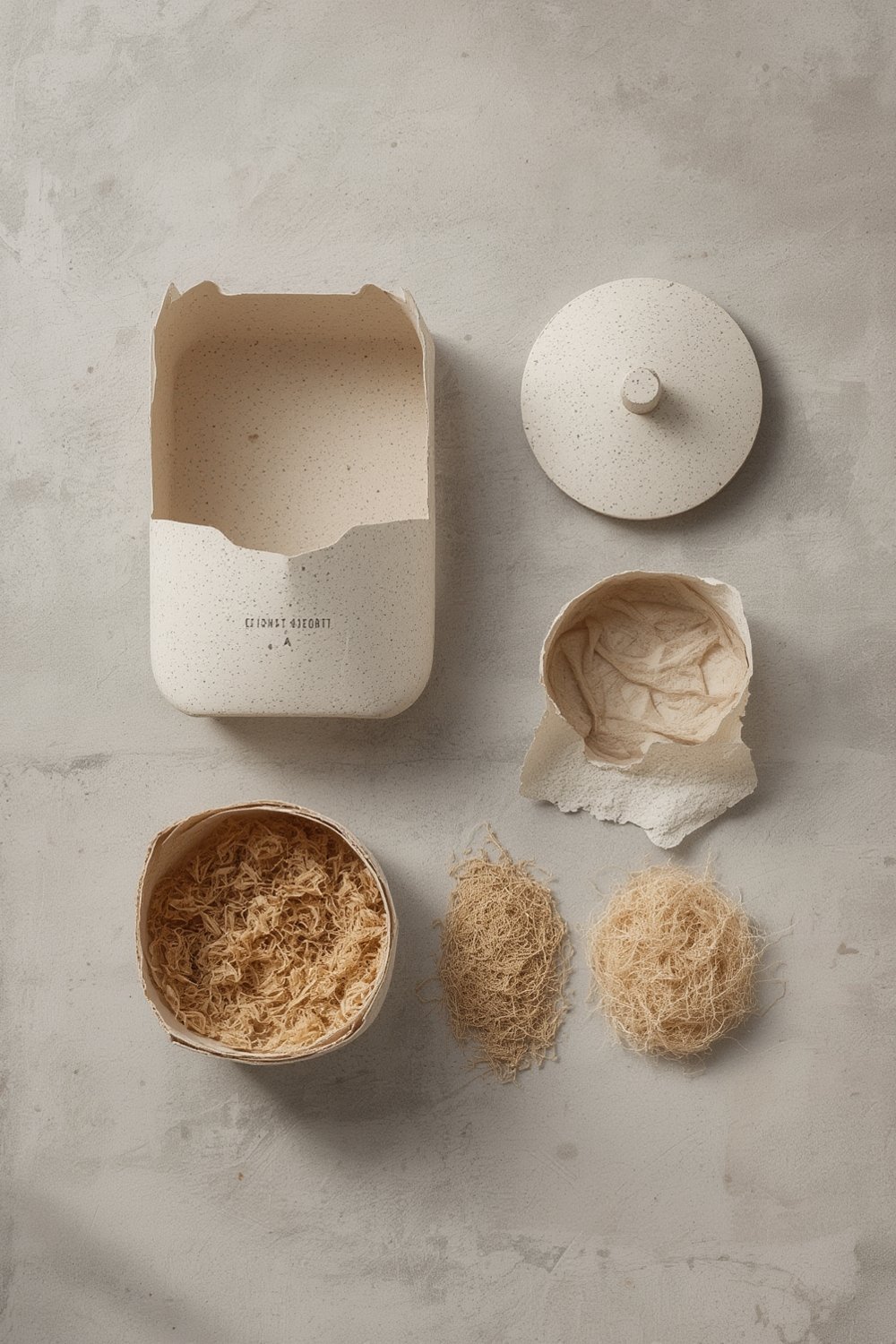
Why Mushroom-Based Bins Stand Out and Where the Industry Stands in 2024
Mushroom based bins have gained attention in scientific and sustainability circles, with proven use in packaging and building blocks. Yet, for home storage, the market is strikingly thin: no major brands or peer-reviewed data exist for mycelium-based consumer bins or furniture in 2024.
Current momentum is mainly in the innovation pipeline—packaging, insulation panels, and experimental uses at events (Olympic venues, temporary shelters), but not in closets or pantries. The gap between hype and product is obvious: lack of reliable supply chains, almost zero retail availability, and no regulatory framework to ensure safe home use. For now, regenerative home storage is closer to a systems ambition than a purchase-ready solution. Still, pioneering developers are working on small-batch prototypes, with compostable home tech and “bio-contributing” furniture blueprints leading the way in design circles.
Performance and Production How Mycelium Organization Differs from Traditional Home Storage Materials
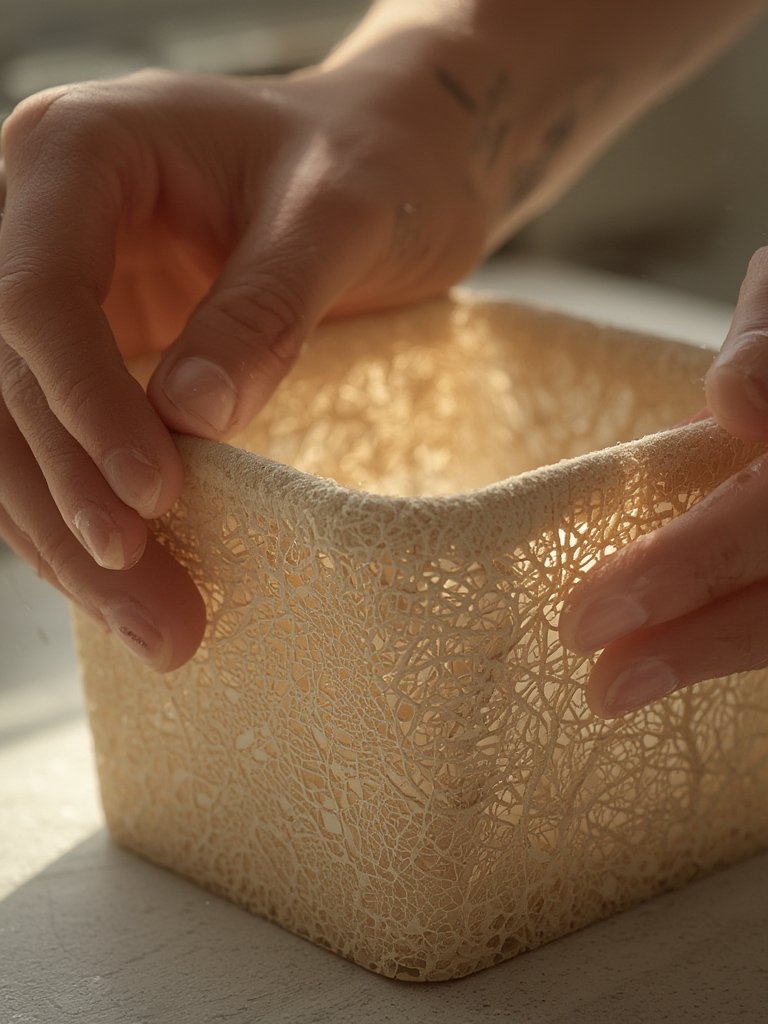
Mycelium organization is fundamentally different from standard home storage materials like EPS (expanded polystyrene) or polyolefin. The process is low-energy and non-toxic: mycelium consumes plant waste, grows into mold shapes within 5-6 days, and forms a solid, porous structure with intrinsic fire and sound resistance. Material tests show:
- High fire resistance—outperforming EPS and minimizing toxic smoke (Build with Rise).
- Full compostability with zero persistent microplastics.
- Carbon-negative lifecycle—unlike plastics, which are fossil-based and energy-intensive (NIH Report).
- Structural air pockets help both insulation and sound dampening.
Still, without robust infrastructure, batch inconsistency, and a lack of product standardization, these benefits remain in the pilot-testing stage. See our full Ethical Organization & Lifestyle System audit for related case studies.
Current Challenges and User Experience: What’s Stalling Wider Adoption?
The reality check comes in scaling. Compostable home tech and bio-contributing furniture face several hurdles:
- Production infrastructure: Mycelium growth still requires centralized facilities, often with refrigeration for storage and controlled environments for forming bins.
- Quality control: Meeting predictable density, water resistance, and longevity is tougher than with plastics.
- Supply chain gaps: Raw substrate supply, contamination risks, and inconsistent feedback from test users are ongoing headaches (This is Mold).
Interestingly, top-ranking articles gloss over these struggles, rarely mentioning batch spoilage or failed strength tests. There are almost no peer-reviewed user complaints—most accounts are aspirational design stories, not post-purchase reports. See our full Low-Impact Bathroom System Audit for similar analysis on mineral-based alternatives.
Durability, Cost, and Real-World Longevity: What Can Homeowners Expect?
Here’s the hard truth: there are no published cost or lifespan averages for mushroom based bins or compostable home tech. Mycelium-based materials excel as short-term, low-impact infrastructure—think event seating, partitions, or compostable shelters—but data for daily home storage bins is absent. In practical trials:
- Mycelium panels are used in prototype furniture and event architecture. Olympic venues have explored them for cost-effective, temporary use rather than permanent installation (Build with Rise).
- Compostability is confirmed—most items can be broken down in typical backyard compost after weeks to months.
- No third-party numbers exist for how long a bin, basket, or shelf will last under real humidity and daily wear.
Availability is improving, but until major vendors publish ratings, homeowners need to do their own lifecycle audits—assess for visible spoilage, loss of rigidity, and pest resistance after 3-6 months of use.
Regulatory Realities Standards, Safety, and Certification Gaps
This is where regulatory opacity undermines trust: No US, EU, or Asian standards exist for regenerative home storage or mycelium organization. There are:
- No official product safety certifications for mushroom based bins.
- No chemical emissions labels or fire safety stamps specific to mycelium home goods.
- Reliance on inherent material properties (biodegradability, non-toxicity, and fire resistance) rather than regionally mandated standards (This is Mold).
This leaves early adopters shouldering the risk, relying on supplier claims and third-party lab results. Organizations like ASTM or UL have not yet formalized test protocols for bio-contributing furniture or bins. See our full Smart Utilities & Eco-Tech audit for regulatory benchmarks in other sustainable tech fields.
What’s Missing? Critical Gaps in Today’s Discourse on Bio-Contributing Furniture
A review of top-ranking content reveals three blind spots:
- Data silence: There is minimal audience-driven feedback or complaint data—consumer experience is nearly invisible.
- No real-world field ratings: Most posts focus on concept or design, not technical failures or batch inconsistencies during every day home use.
- Regulatory vacuum: The absence of clear standards, third-party tests, or certification specifics leaves both buyers and product developers guessing.
Without these layers, the case for regenerative home storage remains promising but incomplete. See our full Circular Kitchen Infrastructure Hub audit for comparative system reviews of refillable pantry products versus conventional setups.
Beyond the Concept Examples, Near-Term Prototypes, and What’s Actually Working
Here’s the landscape for mushroom based bins and mycelium organization in 2024:
- Products: Furniture, insulation blocks, and packaging are regularly grown from agricultural waste in 5–6 days, hardened, and composted after use. No direct examples of consumer storage bins with rated performance exist as of now (MycoStories).
- Use cases: MycoBlocks used for event shelters; interior partitions trialed for sound and thermal insulation; event towers built and composted within months—but not yet the closet baskets or kitchen crates required by homeowners.
- Technical process: Substrates sterilized and inoculated, grown in clean rooms, and kiln-dried for water resistance.
Manufacturers and designers remain in a phase of pilot testing, seeking consistency and durability before wide release. Until then, expect most listings to be custom/bespoke or tied to design studios rather than mainstream retailers.

Final Verdict: Should You Invest in Regenerative Home Storage?
Regenerative home storage using mycelium organization is a technically exciting but operationally incomplete solution in 2024. While compostable, fire-resistant, and carbon-negative, these materials lack real-world user feedback, cost transparency, and regulatory assurance for daily home storage. Early adopters should treat current offerings as prototypes, not ready infrastructure—run small pilots, monitor lifespan, and demand supplier data. Regenerative Home Storage is worth watching and testing, but as a category, it is not yet ready to fully replace the durability or assurance of established bin materials. For a broad comparative audit of infrastructure-class storage, see our Ethical Organization & Lifestyle System Audit.
FAQ
Are mushroom based bins commercially available for home use in 2024?
No. While mycelium materials are used for packaging, insulation, and event structures, no mainstream retail solutions exist for storage bins or furniture as of 2024.
How long do mycelium-based home storage products last?
No conclusive data exists. Early applications for events show months-long use, but real-world durability in residential settings is not yet quantified.
Are mycelium organization materials safe and non-toxic?
Yes, these materials are inherently non-toxic and fire-resistant, but official safety or emissions certifications are generally lacking at the time of writing.
Can these bins be composted after use?
Yes, all current data indicates mycelium-based products can be composted in typical home compost setups after their useful life.
How can I trial regenerative home storage before buying in?
Contact local biomaterial suppliers or design labs for pilot runs—test for density, water resistance, and structural stability. Expect some inconsistency, as no mass-market versions are yet certified.

[…] needs. compostable bins and bio-based materials could further reduce lifecycle impacts—see our Regenerative Home Storage Audit for product-tested compostable […]
[…] our Circular Kitchen Infrastructure Hub, Regenerative Home Storage Audit, and Water Purity Infrastructure Audit for deep-dives into built-to-last systems beyond […]
[…] input water variability, and load history—to create site-specific cost-per-use models. See our Regenerative Home Storage Audit for audit […]
[…] Circular Kitchen Infrastructure Hub audit, or explore audits in Smart Utilities & Eco-Tech, Regenerative Home Storage, or Low-Impact Bathroom […]
[…] about upgrading your entire home system for circularity, don’t stop at bedding—see our full Regenerative Home Storage audit and Circular Kitchen Infrastructure Hub to rebuild every room for zero-waste, high-performance […]