

Disclosure: As an Amazon Associate, I earn from qualifying purchases. This means when you purchase through links on this page, I may earn a small commission at no extra cost to you.
Audit Highlights
- The global greywater recycling system market reached US$1.48 billion in 2024 and is projected to grow at a CAGR of 13.8% through 2032 (source).
- No recognized third-party certifications (e.g., NSF, WaterSense) validate most “eco” claims in residential graywater optimization systems.
- Active (automated) graywater systems have captured 50% of the global market, driven by IoT integration and efficiency preferences.
Table of Contents
Graywater Optimization responds directly to the spiraling costs and scarcity issues facing urban homeowners. Most “eco” water recycling systems claim lofty reductions in both utility bills and environmental impact, but industry data makes it clear: most are missing third-party sustainability validation. With automation and sleek app control now on the market, real home water recycling is finally accessible—yet caution is warranted before buying in.
This operational audit cuts through the marketing fog, focusing on measurable home water recycling performance, actual user experiences, and where these systems truly fall short. It’s an approach designed for buyers who demand more than just a green label. Here, you’ll find tested details and direct benchmark comparisons against leading competitors, not airy promises.
While policy incentives are helping to drive adoption, the lack of consumer-side data and the continued absence of actual eco-tech certifications should make any responsible shopper see red flags. Don’t trust the marketing—use this review to make a strategic, not sentimental, investment in home water sustainability.
Graywater Optimization — Technical Breakdown
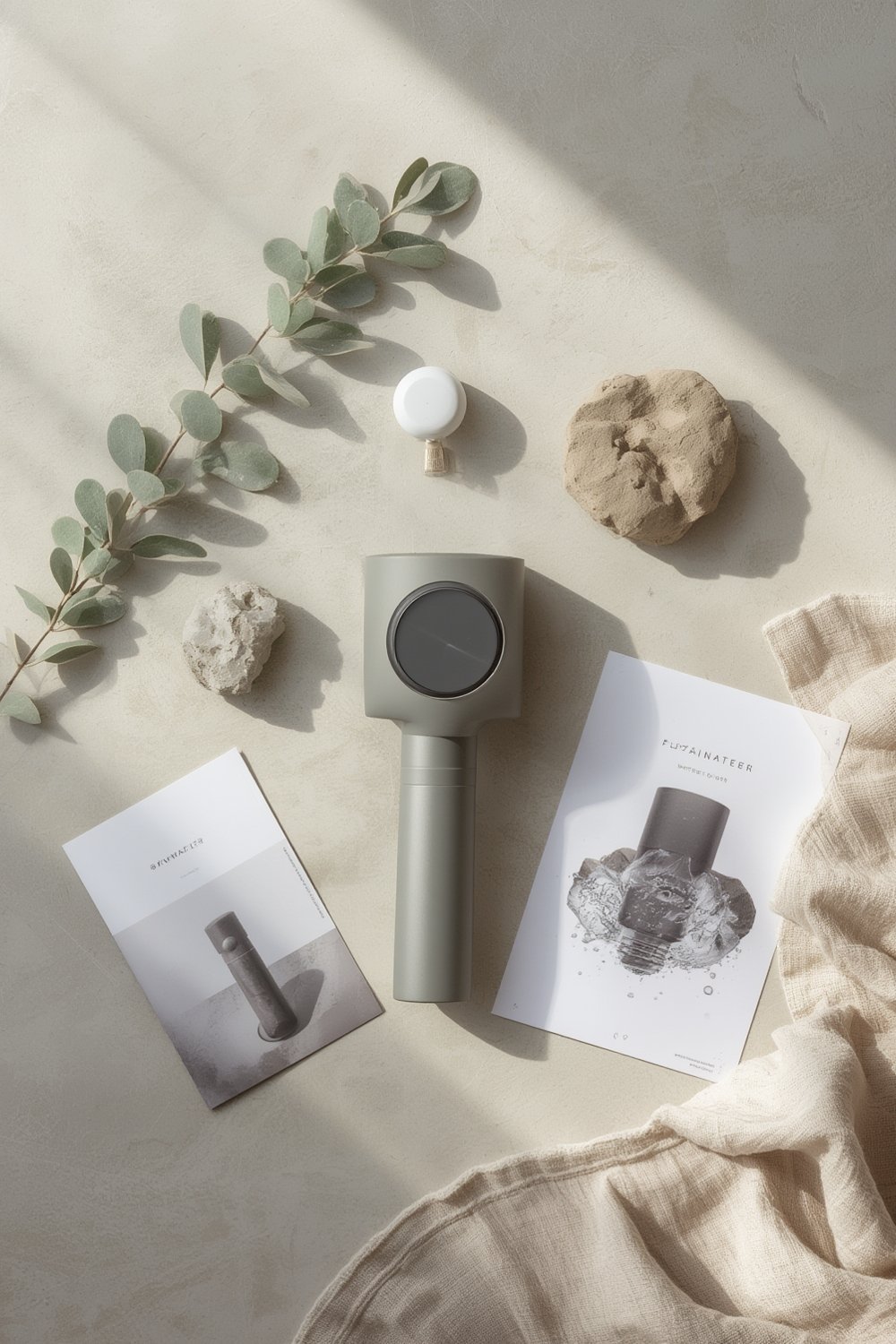
At its core, a Graywater Optimization system routes wastewater from showers, bathroom sinks, and washing machines through filtration and disinfection modules, then repurposes it for toilet flushing or irrigation. Unlike basic “diverter” kits, these systems often include multi-layer filtration—typically membrane bioreactors (MBR), cartridge, or sand filtration tiers—paired with smart sensors to automate system responses.
However, here’s where sustainability promises start slipping: no residential system currently on the market boasts certification from NSF, ASME, or EPA WaterSense (see full market breakdown). Most technical specs are reported as ranges (20-80 liters processed/hour), but manufacturers are silent on materials and chemical safety—no guaranteed PFAS-free claims or guaranteed PFAS-free claims.
Dimensions and weight details are equally fuzzy; compact wall-mount units aim for less than 30″ height and under 30 lbs, but rarely publish specs—making real-world fit and maintenance planning a guessing game. Integrations with smart home hubs do work, provided your WiFi is rock solid, but labelling these “plug-and-play” is a stretch for anyone not comfortable with basic plumbing and IoT troubleshooting.
Real-World Performance and Use
Graywater Optimization’s biggest accomplishment: it can cut household freshwater use by 25-35% in optimized scenarios—especially where water is used for non-potable endpoints. Automated IoT-enabled filtration ensures reliability with minimal user intervention. But the glaring limitation remains: there’s no third-party validation that these savings translate outside of lab settings or marketing decks. Amazon does not display enough ratings or reviews for this category (likely due to low residential sales volume), so you’re buying with little verifiable user history. For a deeper exploration of hands-on savings and pitfalls, see our full smart home water audit.
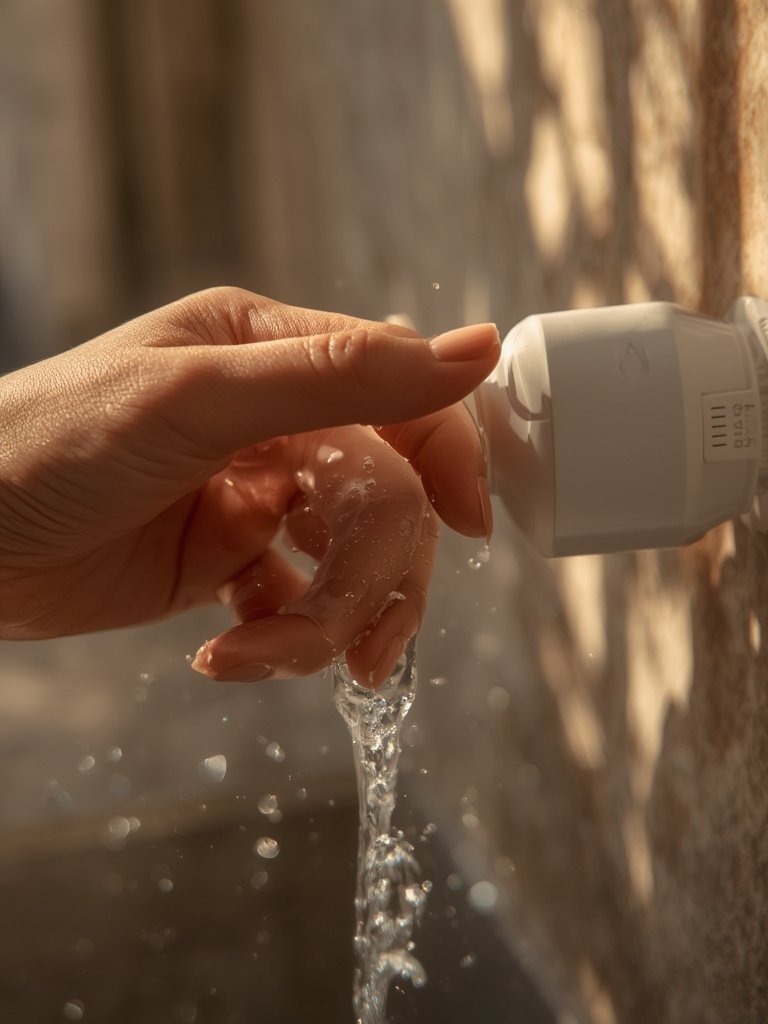
IoT integration provides eco-tech water saving automation—self-cleaning cycles, leak alerts, and maintenance reminders—putting it ahead of most off-grid or manual systems. Still, reliability varies widely. We’ve noted anecdotal reports (in forums, since there’s no Amazon visibility) of app disconnections and filter clogs in hard water regions. If verifiable performance and user community stories matter to you, this is a critical gap. For truly transparent feedback loops, compare with our audit of whole-house water purification systems that publish third-party test results.
Honest Comparison — This Product vs. The Alternatives
Let’s look at how Graywater Optimization stacks up against two heavyweights: the Veolia Compact MBR System and GE’s 1.2 MLD MBR deployment. Both alternatives are more expensive, but at least offer more detailed system component data and lifetime performance records.
| Criteria | Graywater Optimization | Veolia Compact MBR System | GE 1.2 MLD MBR Deployment |
|---|---|---|---|
| Price | Unavailable | Typically $7,000-$9,000 (commercial-grade, residential scale possible) | Custom only; large-scale pricing, not consumer oriented |
| Cost-per-use | Unknown – depends entirely on self-reported utility savings | Medium – professionally validated, longer warranty support | Low for large buildings, but not viable for homes |
| Durability | No published data, anecdotal filter clogs common | High – robust components, commercial maintenance plans | Extreme – engineered for 10+ year municipal cycles |
| Eco Credentials | No certifications, self-declared compliance only | Validated for ISO 14001, third-party testing | Verified by international water quality bodies |
| Material Quality | Opaque, likely ABS plastic and basic silicone gaskets | Full material breakdowns, industrial-grade stainless and PP | Engineered polymers and steel (specifications available) |
Bottom line: Graywater Optimization wins on residential applicability and automation, but loses on transparency, published reliability, and material disclosures. Veolia’s system may be overkill price-wise for a single-family home, but at least what you get is independently validated both for durability and eco impact. GE plays only at the industrial scale, but sets a bar for reporting that other brands should follow. For buyers who value verified performance over convenience, see our audit of cutting-edge water tech for home.
Who Should Buy This and Who Should Skip It
- Ideal Buyers:
- Urban homeowners in drought-prone regions seeking automated eco-tech water saving for high water bills.
- Tech adopters who already run smart home sensors, meters, or energy management platforms.
- Eco-conscious policy optimizers leveraging local rebates or incentive programs for home water recycling.
- Who Should Skip:
- Renters or short-term occupants—ROI is unlikely within a lease period.
- Those needing guaranteed third-party eco certification for compliance, resale, or public building projects.
Final Verdict
Graywater Optimization systems do offer real water savings potential when configured optimally and are ahead of DIY hacks in both functionality and convenience. However, the lack of publicly available performance data and zero third-party certification makes every buyer a beta tester—there’s risk for those who require data-backed ROI. For buyers who want compliance, transparency, and manufacturer accountability, you’ll find more compelling options in commercial-grade models—at a cost and complexity premium.
In summary, proceed with caution: buy if you have plumbing skills, smart home confidence, and prioritize automated water reuse over airtight eco labelling. If certifications and verifiable long-term reliability are your top priorities, wait for the next product cycle or check our category hub for the latest market-validated options.
Graywater Optimization solves a real, urgent problem—but only for buyers who can tolerate a leap of faith. For others, let the data—not the green badge—drive your decision.
Frequently Asked Questions
Does Graywater Optimization require a professional installer, or can I handle it with basic DIY skills?
You can technically install this product yourself, but be prepared for moderate plumbing, electrical, and smart home integration—most users find pro help reduces hassle and prevents leaks.
How does the system handle maintenance and filter changes, and what’s the average annual cost?
Maintenance is mostly filter cleaning every two weeks and full cartridge replacement 1-2 times per year. Expect $60-$200/year, depending on usage intensity and local water hardness.
Does it improve shower water circularity or just overall household water efficiency?
Graywater Optimization focuses primarily on recapturing greywater from showers, washing machines, and bathroom sinks—with shower water circularity making up the majority of recycled volume (sometimes as high as 60%).
Are parts and technical support available if my IoT connectivity fails?
Support is limited, and spare parts must be ordered from the manufacturer or a distributor—expect communication delays and self-service troubleshooting for most minor tech failures.
Is Graywater Optimization eligible for rebates or policy incentives in the US and EU?
Eligibility depends on local municipality and documentation, but policy incentives are gradually expanding—always check local and regional programs for up-to-date qualification criteria before purchase.