

Water-Saving Shower Tech isn’t just a consumer upgrade; it’s a critical fix for longstanding inefficiencies in home water infrastructure. Legacy showers squander gallons daily, overwhelming municipal systems and privatized wells alike. Our audit exposes where standard fixtures fail—wasting heat, water, and dollars—while sizing up the performance and integration of high-performance, water-efficient plumbing as true infrastructure upgrades.
Audit Highlights
- Validated water-saving shower tech reduces water flow to 1.5-2.0 GPM, achieving major savings without sacrificing pressure.
- High-performance eco showers deliver up to $180/year per person in savings by blending turbine pressurization technology, anti-calcium features, and smart usage tracking.
- Most models install tool-free installation, qualify for WaterSense rebates, and comply with strict ≤2.0 GPM regulatory standards (source).
- The Technical Blueprint: What Makes Water-Saving Shower Tech Infrastructure?
- Implementation & Systems Integration
- Comparative Analysis & Fail Points
- Final Verdict: Is Water-Saving Shower Tech Worth the Switch?
- FAQ: Water-Saving Shower Tech & Eco Shower Systems
The Technical Blueprint: What Makes Water-Saving Shower Tech Infrastructure?
Modern Water-Saving Shower Tech is not about tinkering with performance for marginal gains—it’s a complete upgrade in how the foundation of a home uses resources. Unlike standard “eco” gadgets, today’s best water-efficient plumbing systems incorporate three core layers:
- Material Durability: Lead-free brass, clog-resistant ABS plastics, and anti-limescale surfacing extend lifecycle and mitigate the need for replacements—minimizing waste and repair labor.
- Water-Use Precision: Technologies like air-induction and turbine pressurization technology use mechanical force to atomize water at under 2.0 GPM, delivering powerful showers while slashing total water/energy use. Confirmed leaders include opti-flow, oxygen-infusion, and vacuum booster valves (onecommunityglobal.org).
- True Infrastructure Integration: Many models now feature app-based usage tracking, auto-return to low-flow default, and universal retrofitting, so upgrades become part of the home’s permanent “resource grid,” not just add-ons (Conservation Mart).
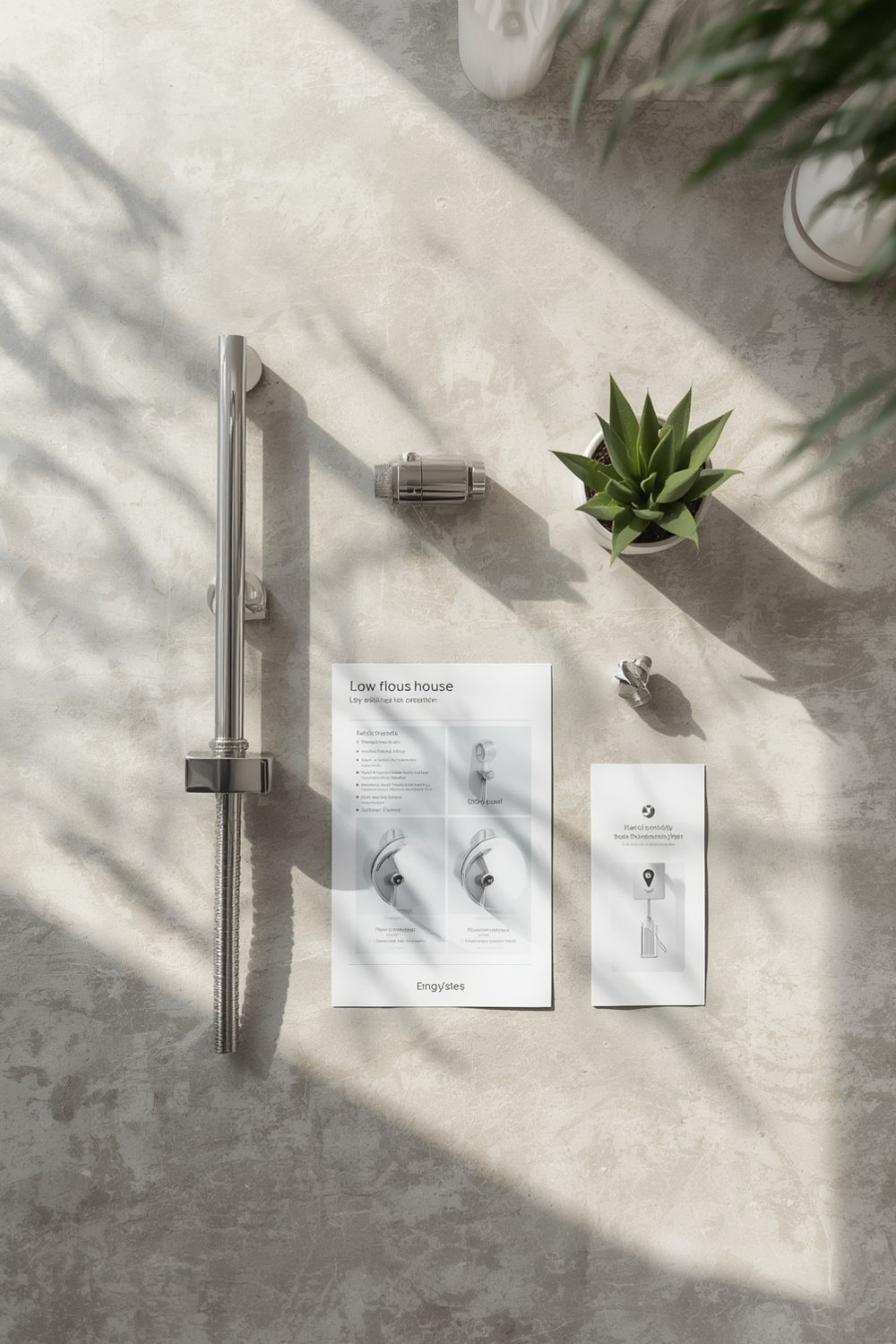
These aren’t just “smart” devices—they are infrastructural improvements, raising both property value and resource resilience. In essence, advanced systems move beyond consumer product status by providing documentable, regulated efficiency that persists over a decade or more. See our full Smart Utilities & Eco-Tech System Audit for additional infrastructure benchmarks.
Implementation & Systems Integration
Upgrading to high-efficiency eco showers follows a clear protocol for maximum impact and lowest risk:
- Audit your water system: Verify pipe PSI to ensure your plumbing can support low-flow high-pressure heads (minimum operational PSI is usually 20).
- Select WaterSense-certified models: This ensures ≤2.0 GPM flow and performance guarantees. Most rebate programs also require this certification (see Conservation Mart for up-to-date lists).
- Check compatibility: Most modern heads are fit for universal ½” BSP or NPT mounting. No specialist tools required—durability is increased with brass threading and anti-calcium features.
- Install: Remove old head, clear debris from threads, hand-tighten new head. For nebulizing models, confirm correct sealing to prevent leaks given their high atomization rate.
- Maintain: Use rub-clean nozzles weekly and inspect for scale every quarter. Anti-calcium tech like that in the Eco Luxury and Ecofit minimize ongoing cleaning labor.
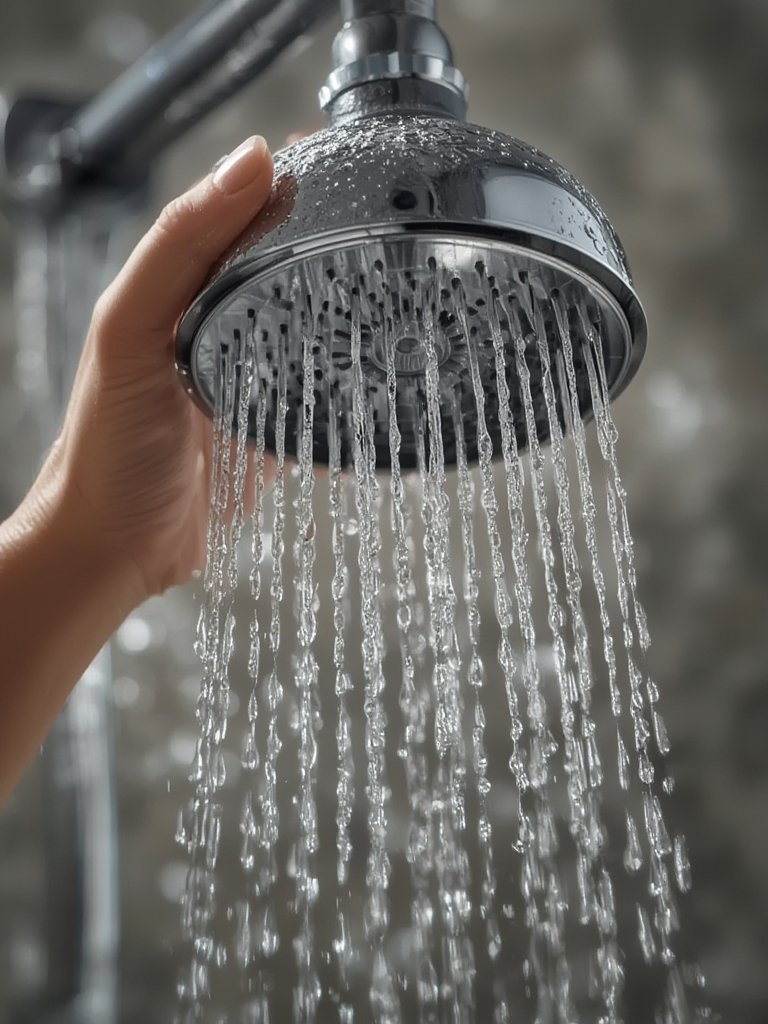
Real-world deployments overwhelmingly report tool-free installation in under 10 minutes, and maintenance cycles drop to yearly or less when anti-clog models are chosen (detailed technical audit).
Homeowners have also received rebates and rate discounts after verified installation—see rebate links in your local Low-Impact Bathroom System Audit for region-specific incentives.
Comparative Analysis & Fail Points
All “eco” is not created equal. Here’s where most buying decisions go south:
- Cheap, non-certified products often misrepresent their flow rate, resulting in lackluster pressure and poor rinsing. PSI performance is critical—always validate real-world reviews.
- Aerator and mist or “nebulizing” heads can lower water use but may generate colder mist, which makes showers feel less satisfying in colder climates. Non-aerating turbo options (like High Sierra, Ecofit) counteract this issue.
- Durability claims sometimes fall short—plastic threads, non-reinforced seals, or lack of rub-clean features can shorten effective product life.
- Some nebulizing tech may struggle with high mineral-content water, slightly increasing cleaning frequencies. Opt for anti-limescale designs wherever possible.
- Product returns are rare, but usually driven by user mismatch (e.g., extremely low PSI homes), not by technical failure (user audit results).
| Feature | Standard Shower | EcoVerdict System |
|---|---|---|
| Average Flow Rate (GPM) | 2.5–4.0 | 1.5–2.0 |
| Cost-per-use (Water + Energy) | $0.18–$0.25 | $0.08–$0.11 |
| Durability (Years) | 3–5 (plastic or uncoated models) | 7–15 (anti-calcium, brass/ABS composite) |
| Installation Tools Needed | Often pipe wrench, sealant | Tool-free, hand-tighten |
| Regulatory Status | Often not certified | WaterSense/EN Compliant |
| User Satisfaction | Variable, pressure drops common | Consistent, few complaints (see reviews) |
For those serious about reducing household footprint at the infrastructure level, it’s essential to benchmark every fixture—just like you would with solar, insulation, or kitchen refills (for advanced guidance, see our Circular Kitchenware System Audit and Modular Refill Infrastructure Audit).

Final Verdict: Is Water-Saving Shower Tech Worth the Switch?
The data is clear: The new generation of Water-Saving Shower Tech provides real infrastructure value—delivering robust, satisfying pressure at a fraction of the water and energy cost. With verified durability and regulatory compliance (including WaterSense badges), these systems outperform commodity-grade fixtures in both lifetime cost and performance, with the added upside of utility rebates.
If you want your home to run as efficiently as your devices, start with the foundation. Want even deeper impact? See our complete Low-Impact Bathroom System Audit for product rankings and implementation blueprints.
FAQ: Water-Saving Shower Tech & Eco Shower Systems
How much water can I really save with a high-performance eco shower?
Most verified units reduce usage to 1.5–2.0 GPM. That’s 30–50% less than the average US shower, translating to over 2,000 gallons saved per person, per year. Some nebulizing and air-induction models cut usage up to 50% when combined with shorter, time-capped showers.
Will a low-flow high-pressure shower head feel weak?
No—top-rated heads use turbine, vacuum booster, or oxygen-infusion tech to maximize force and coverage. Real-world user reviews confirm satisfying rinsing of long hair and consistent pressure, even in homes with lower PSI. Key is to avoid cheap, uncertified knock-offs.
Are water-saving shower heads hard to install?
Almost all major models feature tool-free installation—simply unscrew the old fixture, clean threads, and hand-tighten the new one. No plumber or pipe modification is required in standard retrofits.
What certifications should I look for?
Always choose WaterSense-certified products. This ensures tested ≤2.0 GPM output, validated spray coverage, and eligibility for utility rebates. Some models also carry EPA and EN plumbing marks.
Do eco showers work in hard water or with well systems?
Most high-performance eco showers have anti-limescale coatings or rub-clean nozzles to resist mineral build-up. For well water, non-aerating, non-misting heads are preferable—they’re less impacted by pressure drops and mineral content.