
### Blog Post:
Acoustic Mycelium Panels promise low-impact soundproofing, but the real infrastructure audit exposes an uncomfortable system failure: today’s studios and buildings pour massive resources into “greener” panels without hard evidence of true circularity, durability, or cost efficiency. Most eco claims are untraceable beyond the marketing page. This operational audit evaluates Acoustic Mycelium Panels as infrastructure—probing not just specs, but what’s missing for architects and engineers building high-performance, sustainable studios.
Audit Highlights
- Mycelium panels deliver moderate acoustic absorption (NRC 0.50–0.70), but lag behind Top fiberglass or acoustic foam panels score NRC 0.80–1.00 on absolute performance (source).
- No public lifecycle or end-of-life study exists—circular claims aren’t supported by third-party data (source).
- Major evidence gaps: real-world field reports, installation costs, durability under stress—all unaddressed in 2024 supplier catalogs.
- The Technical Blueprint: What Actually Changes with Mycelium?
- Implementation & Systems Integration: What You Can (and Can’t) Do Now
- Comparative Analysis & Fail Points: Where the System Breaks Down
- Conclusion: The Final Verdict & Recommended Audit Path
- FAQ: What Specifiers Should Know Before Specifying
The Technical Blueprint: What Actually Changes with Mycelium?
When specifying materials as true infrastructure, architects and consultants need more than green claims. Material integrity and benchmarking against legacy systems are key.
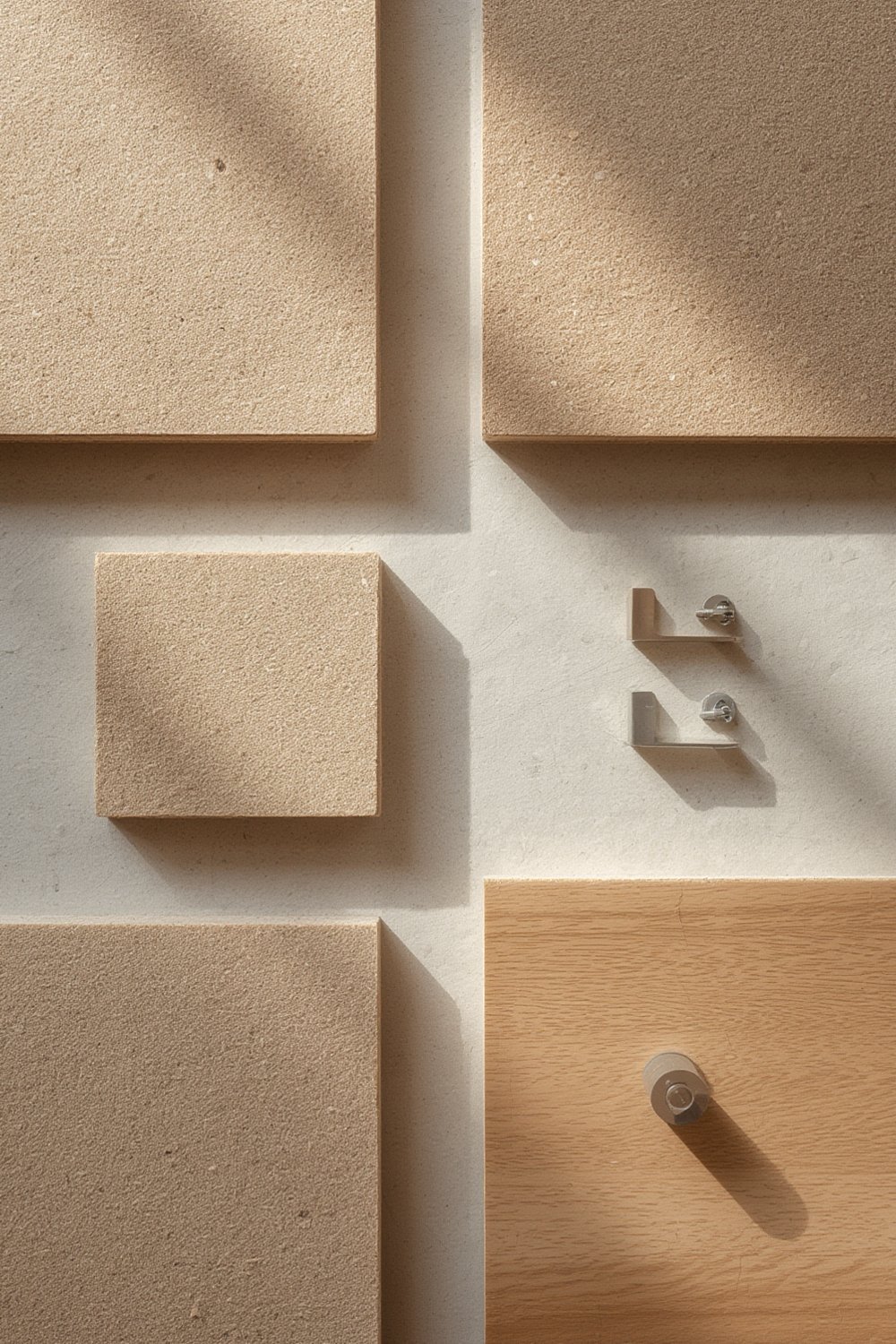
Acoustic Mycelium Panels are bio-based sound panels grown from fungal mycelium and agricultural waste. Their core selling point: reduced embodied carbon and potential renewability versus petroleum foams or mineral-fiber synthetics. But operational reality is in the numbers, not the slogans:
- Performance (NRC): Benchmarked panels from Taftirium score NRC 0.50–0.70 (spec). ARCHISONIC® claims NRC values above 0.50, peaking 0.8–0.9 at 500–1000 Hz (source).
- Benchmark (Synthetics): Top fiberglass or acoustic foam panels score NRC 0.80–1.00 (ref). PET felt ranges wider (0.40–0.90); drywall is negligible at 0.05–0.15.
- Fire & Safety: ARCHISONIC® mycelium is certified to DIN EN 13501-1, rated B-s1, d0 (good, but not best-in-class for every use) (fire-class).
The sustainability vision is real: mycelium panels are carbon negative on paper, using waste streams and sequestering CO2 during growth. But material thickness, substrate choice, and incubation time all directly affect performance and may constrain your design flexibility.
To see how bio-material audits work in other categories, see our full Hemp-Fiber Insulation System Audit.
Implementation & Systems Integration: What You Can (and Can’t) Do Now
Field-tested data on real integrations is limited. Here’s the actionable reality for technical specifiers and acoustic consultants.
So far, there are no independent installation or maintenance audits published. Major suppliers like Taftirium and ARCHISONIC® market the panels as lightweight and VOC-free, but do not cite user field data about panel lifespan, edge robustness, mold, or moisture management in real studios.
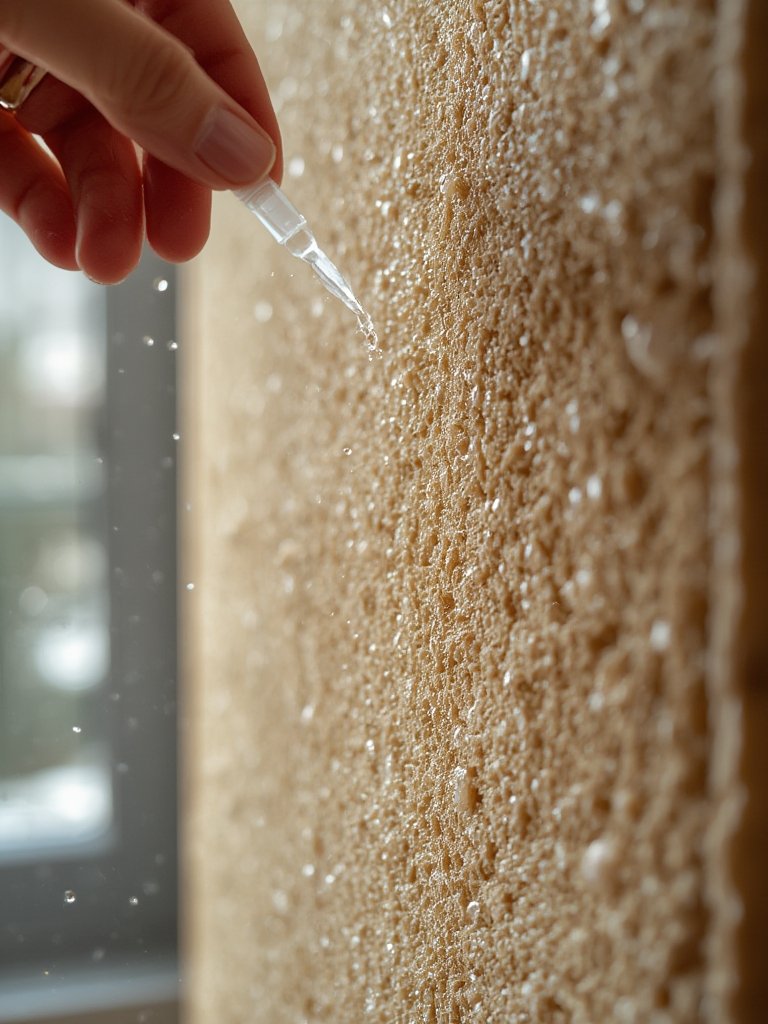
- Documented installation “challenges” are anecdotal. Damages from rough handling or impact were reported in early prototypes (now cited as “improved”), but severity rates and failure analyses are missing.
- No maintenance protocols, cleaning guidance, or replacement frequencies published. Unknown how humidity cycles or repeated touch-ups affect surface durability.
- End-of-life removal, if “fully circular,” is purely theoretical. There are zero project reports detailing take-back, recycling, or verified breakdown rates under actual field conditions.
Designers modeling entire home infrastructure, from bio-organization to moisture-critical areas, should see our Ethical Organization & Lifestyle System Audit for field-tested bio-material logistics.
Comparative Analysis & Fail Points: Where the System Breaks Down
Unbiased audit means owning the fail points. This is where Acoustic Mycelium Panels meet limits—and why technical specifiers must be realistic:
- Performance Gaps: Mycelium panels underperform synthetic foams at low (<250 Hz) and ultra-high (>4kHz) frequencies, making them a risk if full-spectrum or critical bass absorption is required.
- No Cost Data: As of 2024, there is zero published cost-per-square-foot for mycelium panels (retail, trade, or installed). Synthetics have complete price transparency and established supplier networks.
- Lifecycle “Blindspots”: Current mycelium offerings make strong “carbon negative” and “biodegradable” claims, but lack third-party data for post-use breakdown, verified compostability, or any kind of recovery pathway at scale.
- Certification Gaps: Common building certifications (LEED, WELL) are “supported,” but mycelium panels have no product-specific EPDs or Cradle to Cradle certification targeting circularity or end-of-life reuse.
- Fire, Humidity, Durability: Only minimum regulatory fire class is met. No external “mushroom foam audit” or multi-year field study exists for water damage or in-service aging in loaded studio infrastructure.
| System | Cost-per-Use (Est.) |
Durability (Manufacturer Claims) |
Circularity/End-of-Life |
|---|---|---|---|
| Typical Synthetic (Fiberglass, PET) | Transparent pricing; $14–$50/m² (full cost trackable) |
10–20 yr+ (documented field data) | Partial recycling (PET); landfill risk for fiberglass; published waste impact |
| Acoustic Mycelium Panel | Unknown (no supplier data as of 2024) | “Durable/lightweight”—no field data | Claimed “fully circular,” but zero real-world case studies or recycling rates |
Studios or architects with tight fit-out budgets or harsh humidity/cleaning cycles should see our Low-Impact Bathroom System Audit for moisture-resilient alternatives proven in service.
For roles where true end-of-life circularity matters (public buildings, education), see our Regenerative Home Storage Audit for emerging compostable infrastructure products with early post-use data.
Conclusion: The Final Verdict & Recommended Audit Path
Acoustic Mycelium Panels mark genuine progress toward regenerative soundproofing, but the operational audit is clear: these bio-based sound panels bring moderate sound absorption, strong carbon story, and material safety—but crucial infrastructure data is still missing. Buyers face hard system limitations on cost visibility, verified lifecycle closure, durability under field abuse, and certification depth.
Final Verdict: For sustainable studio tech, architects and specifiers can selectively deploy mycelium sound panels for the right context—low-impact spaces, where VOC and carbon are main concerns, and where performance at critical frequencies is not essential. But they cannot (yet) fully displace legacy synthetics in mission-critical or long-lifecycle infrastructure without further independent audit.
Next step: For a complete infrastructure benchmarking suite and to close your data gaps, see our full Smart Utilities & Eco-Tech Directory System Audit.
FAQ: What Specifiers Should Know Before Specifying
Are Acoustic Mycelium Panels as effective as fiberglass or acoustic foam?
No. Mycelium panels deliver moderate absorption (NRC 0.50–0.70), while standard fiberglass/foam panels can reach NRC 0.80–1.00. For demanding acoustic environments (e.g., studios, theaters), synthetics out-perform in full-spectrum absorption and consistency. See NRC data here.
What about fire safety and moisture resistance?
Major suppliers (e.g., ARCHISONIC®) hold basic European fire certification (DIN EN 13501-1, B-s1, d0). However, there’s no published data on water/humidity resistance or real-world field durability. “Mushroom foam audits” for moisture performance are not yet available.
Are mycelium panels truly compostable or recyclable?
They are marketed as “fully circular” and “biodegradable,” but there is no published third-party decomposition study or field-tested take-back pathway. Circularity claims are not independently verified. Read manufacturer claims here.
Is there any cost advantage to Acoustic Mycelium Panels?
There is no published cost-per-unit, install, or maintenance data for mycelium panels as of 2024. Synthetics have transparent pricing and cost-of-ownership data. Cost is currently an unaddressed research gap.
What certifications or standards do mycelium panels meet?
Current products support LEED and WELL criteria, and meet European fire standards (DIN EN 13501-1). There are no Cradle to Cradle or product-specific EPDs certified for mycelium acoustic panels yet. Certification info here.
—