

### Blog Post:
Plastic-Free Food Prep is not just a buzzword—it’s a response to a systemic failure in our kitchens. Most homes still rely on disposable plastic containers and wraps that degrade quickly, leach chemicals, and are rarely recycled efficiently. This “Operational Audit” exposes why modern meal prep systems must move beyond single-use plastics—framing your food storage infrastructure as a durable, economic choice rather than a disposable convenience.
Audit Highlights
- Plastic controls over 49.1% of the global food storage market in 2024, yet sustainable glass and silicone systems are scaling at 8.65% CAGR toward USD 34.83B by 2035.
- Reliable cost and pain point data for silicone lids and reusable vacuum seal bags are still missing—demanding consumer vigilance and direct supplier scrutiny.
- Rigid glass systems preserve food longer for many items, while plastic wins on initial affordability and lightweight use; regulatory and technical data for glass/silicone safety remain incomplete.
- The Technical Blueprint
- Implementation & Systems Integration
- Comparative Analysis & Fail Points
- Conclusion
- FAQ
The Technical Blueprint
Plastic-Free Food Prep means more than just eliminating cling film and takeout boxes. It’s about upgrade your kitchen infrastructure to glass and silicone systems—solutions that shift from consumables to capital goods. When evaluated on long-term durability, material safety, and total environmental footprint, glass and silicone offer measurable advantages:
- Material Integrity: Glass containers resist staining, don’t absorb odors, and avoid leaching chemicals. silicone lids and reusable vacuum seal bags provide flexibility and reusability, fitting odd-shaped containers or replacing single-use zip bags.
- Operational Utility: Unlike disposable wraps, robust glass and silicone products withstand frequent cycling between freezer, microwave, oven, and dishwasher (temperature thresholds vary by product).
- Market Transition: Despite holding 49.1% market share in 2024, plastics face growing pressure. Forecasts show plastic-free food packaging growing from USD 13.98B (2024) to nearly USD 35B by 2035 (source).
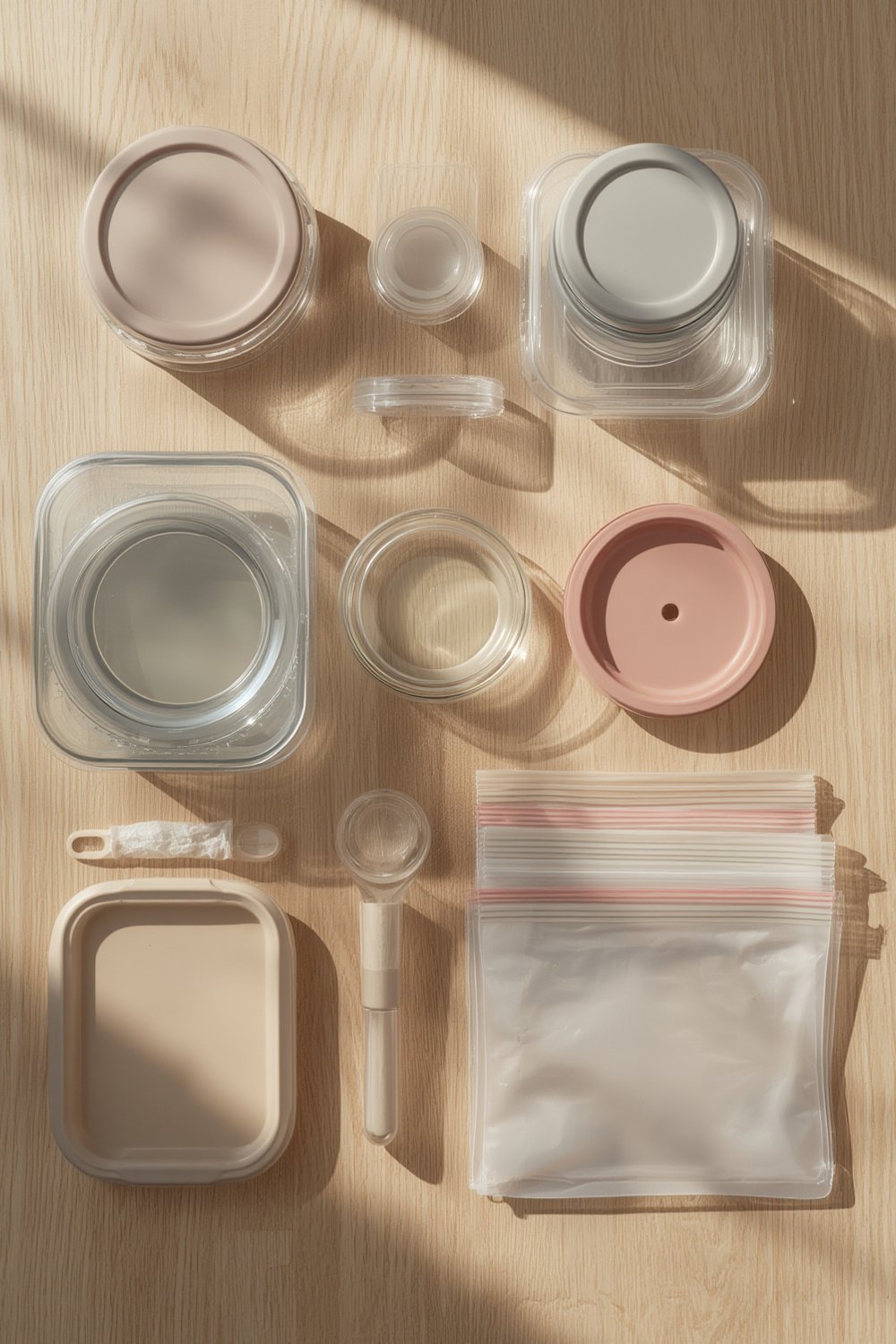
With regulatory systems (such as FDA and USDA in the US) focusing on the safety of reusable materials, the move toward food-grade, temperature-resistant solutions is now an infrastructure trend—not a fringe lifestyle choice. However, lack of transparent technical data and user feedback on newer materials forces buyers to become their own system testers and auditors.
Implementation & Systems Integration
Making the shift to glass and silicone kitchenware requires more than a box-store shopping trip. It’s a systems upgrade:
- Inventory Audit: Take stock of every plastic wrap, lid, and storage container in your kitchen. Evaluate for cracks, stains, or odors—a sign of microplastic degradation.
- Identify Critical Needs: List dishes, leftovers, and ingredients regularly stored. Include size, shape, temperature, and usage patterns (freezing, reheating, transport).
- Source High-Quality Systems: Prioritize brands that publish technical specs or third-party test results for food-grade silicone and glass. Look for products with clear warranty and cleaning instructions.
- Integrate Gradually: Replace plastic in phases—begin with containers for acidic, oily, or hot foods (which are most likely to cause plastic leaching).
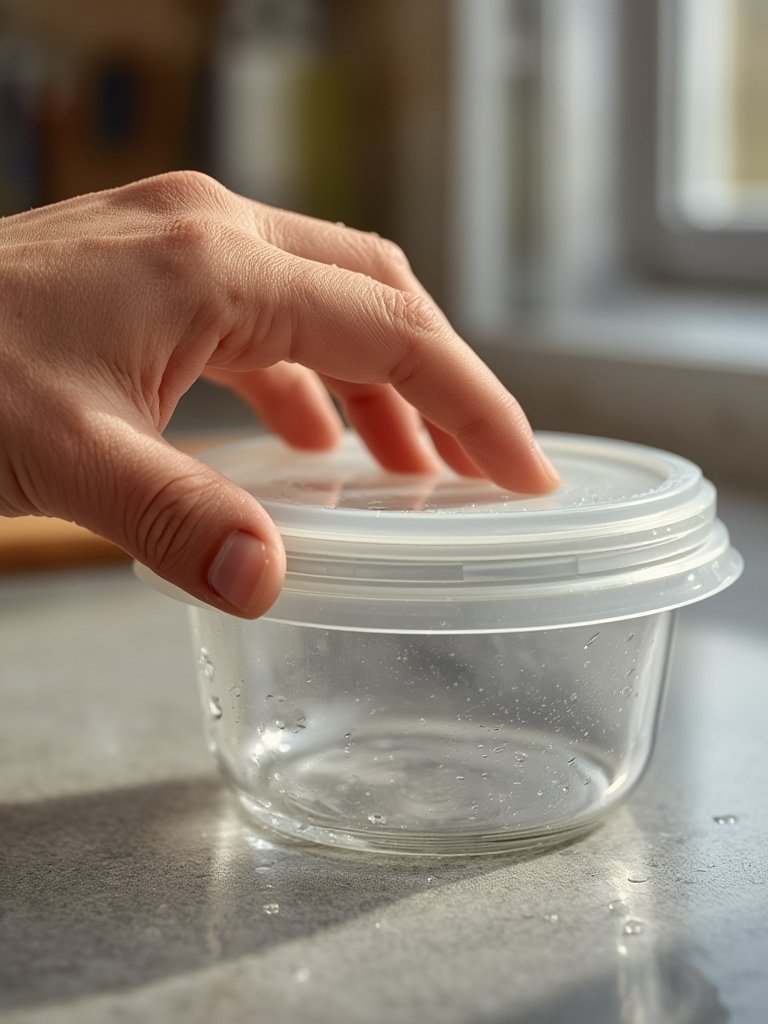
- Log Fail Points & Successes: Keep records: does your new silicone lid seal tightly? Do glass containers chip with normal use? Use this log to guide further purchases or swaps.
For those seeking a comprehensive infrastructure upgrade, refer to our full Circular Kitchenware System Audit for top-tier, zero-waste kitchen solutions—covering refillable pantries and in-depth product rankings.
Comparative Analysis & Fail Points
Real-world integration of glass and silicone systems comes with both measurable gains and unresolved costs. Here’s what the data—and the gaps—show:
- Upfront Barriers: Plastics still win on price. Many households hesitate at the 2–3x initial cost of glass or silicone Starter Sets.
- Data Voids: There are no published direct user pain point statistics for 2024 on silicone lids or reusable vacuum seal bags provide flexibility and reusability. This creates knowledge gaps: are seals prone to failure, is silicone durable with daily use, or do lids warp? Buyers must perform their own resilience tests.
- Preservation & Safety: Glass extends shelf life for many foods, while plastics are lighter but offer less odor and stain resistance. Regulatory benchmarks exist for plastics (e.g. BPA-free polypropylene)—but most brands provide no detailed certification or temperature data for glass or silicone lines (source).
- Cost of Ownership: Despite higher entry costs, reusable systems may reduce landfill waste and replacement cycles. However, no independently published long-term cost-per-use comparisons currently exist.
| Aspect | Standard Plastic System | EcoVerdict Glass/Silicone System |
|---|---|---|
| Cost-per-use (Est.) | Lowest at initial purchase, but higher in long-term due to replacements, staining, and warping | Higher upfront, but declines per use if breakage is avoided; rarely stains or warps |
| Durability | Cracks, stains, odor after repeated use; vulnerable to heat and acidic foods | Glass: Long-lasting if handled carefully Silicone: Survives repeated stretching, freezing, microwaving, though edge durability still unknown |
| Preservation Effectiveness | Good for moisture resistance and light weight; variable for air-tightness | Glass offers rigid, consistent seal; silicone adapts to container, could lose sealing power over years (no long-term data) |
| Regulatory/Certification Data | Clear FDA/FDA/USDA standards (Type 1,2,4,5), BPA-free labeling | Limited data provided; safety depends heavily on supplier transparency |
- See our Ethical Organization & Lifestyle System Audit for detailed infrastructure reviews that go beyond the kitchen—covering sustainable storage and lifestyle transitions.
- Compare storage preservation and durability claims with our Low-Impact Bathroom System Audit—where moisture and hygiene have similar infrastructure demands.
- For advanced food safety and kitchen water integration, check our Water Purity Infrastructure Audit.
- Research rigid packaging shelf-life gains in external technical sources: Global Food Storage Container Market Analysis.

Conclusion
Transitioning to a kitchen built on glass and silicone systems is about more than personal health or individual sustainability—it’s infrastructure resilience. The market is rapidly scaling up plastic-free food prep, yet cost, safety certification, and real-world durability data remain incomplete. Treat every plastic-free food prep purchase as an infrastructure investment: log performance, demand technical transparency, and phase replacements for maximum impact.
Our final verdict? The data supports long-term value and reduced contamination from robust glass and silicone, but the burden is still on key users to demand evidence and track reusability. Ready to audit your own kitchen? Start with the full Circular Kitchenware System Audit and upgrade your plastic-free food prep from product to system.
FAQ
What is the main advantage of shifting to glass and silicone food prep systems?
Glass and silicone systems offer superior longevity, stain resistance, and avoid chemical leaching associated with plastics. They also better withstand repeated use in high and low temperatures, making them a strategic upgrade for reducing kitchen waste.
Are there any risks or challenges in using reusable silicone lids and vacuum seal bags?
No direct user pain point data or safety concerns have been documented in 2024, but potential issues include sealing failures over time, lid warping, or unreliable manufacturing disclosures. Always request product test data from your supplier.
How can I tell if a glass or silicone product is truly food-grade and safe?
Look for FDA or USDA certification in the US and request third-party lab reports from brands. If data is missing or unclear, contact the brand directly or consider a different supplier.
Is the upfront investment in plastic-free systems actually justified?
Initial costs are higher, but as glass or silicone replace dozens of single-use plastics, ongoing expenses may decrease. Cost-per-use improves with care and documentation of each item’s lifespan.
Do glass and silicone really keep food fresher for longer?
For certain foods, rigid glass preserves freshness and extends shelf life better than flexible plastics, though direct air-tightness and preservation data for silicone lids is still incomplete. Performance varies based on use and storage practices.
—