

### Blog Post:
Compostable Phone Protection is a system failure in disguise—most phone cases marketed as compostable end up as landfill waste, never reaching true circularity. Traditional phone protection operates as disposable consumer goods: short-lived, rarely recycled, and designed with little end-of-life consideration. As sustainability standards tighten, the need to treat *phone protection as infrastructure*—demanding reliable performance and life cycle accountability—is the new audit standard.
Audit Highlights
- Compostable phone protection market is growing ~15% yearly, driven by regulations but outpaced by technical and infrastructure gaps (source).
- Lack of verified durability data: No public lab metrics confirm compostable cases or screen protectors match plastics in long-term protection (source).
- Real-world disposability and cost factors remain unresolved—few products actually compost or justify their price premium in household contexts.
- The Technical Blueprint: Why Compostable Phone Protection Is Gaining Momentum
- Implementation & Systems Integration: What Buyers Must Know
- Comparative Analysis & Fail Points
- Conclusion
- FAQ
The Technical Blueprint: Why Compostable Phone Protection Is Gaining Momentum
Treating phone protection as disposable accessories led to staggering e-waste and microplastic leakage. Compostable phone protection—including plant-based tech armor and biodegradable screen protectors—has gained traction as an antidote. Market analysts estimate this sector will surge from $500 million in 2025 to $1.8 billion by 2033, a sustained 15% CAGR, led by legislative action and shifting consumer values in North America and Europe. Asia Pacific is catching up fast, propelled by urban smartphone adoption and anti-plastic campaigns (NextMSC).
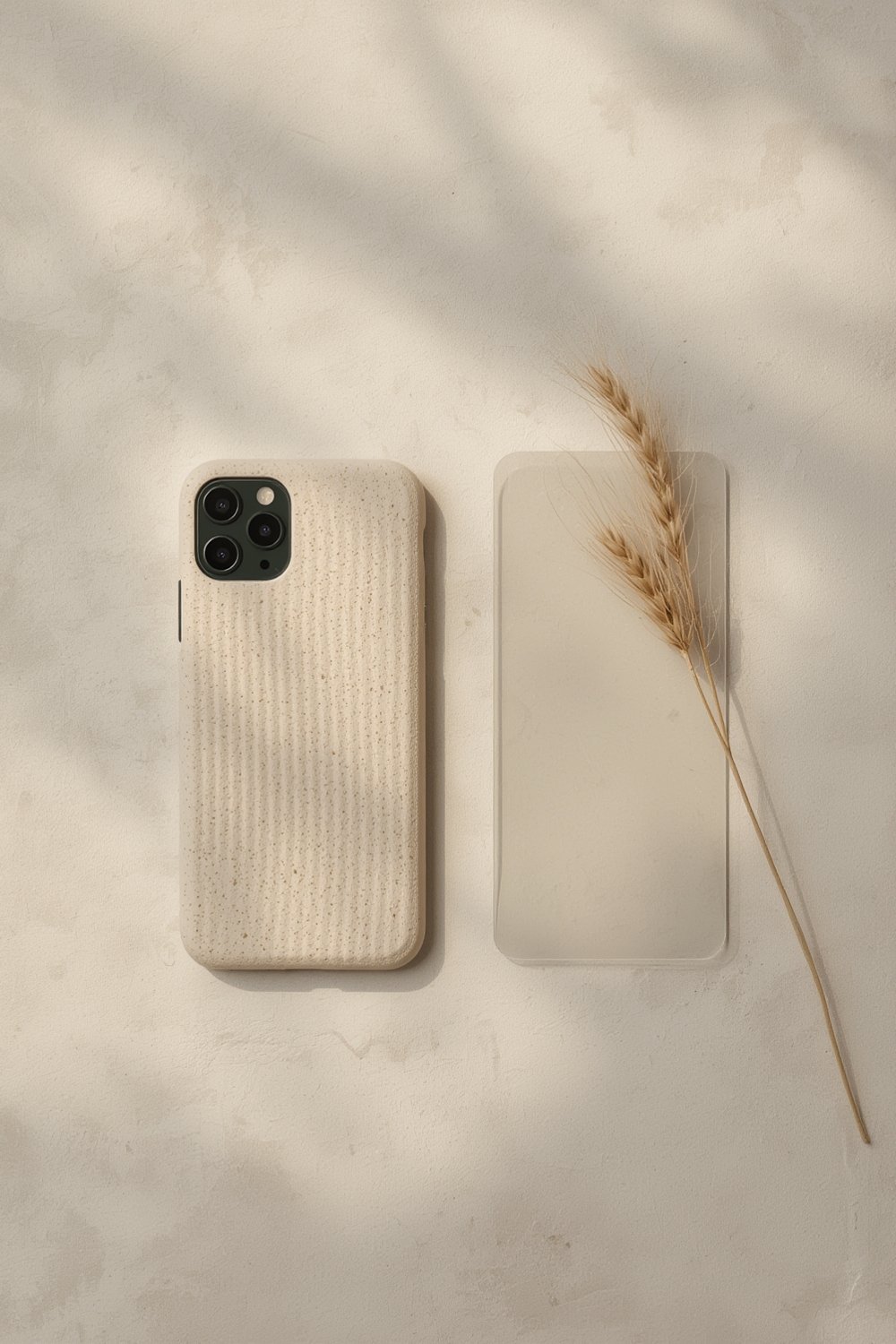
Still, most compostable cases are manufactured from PLA (Polylactic Acid) blends. While these materials offer some compostability in controlled environments, no mass-market standard exists for home composting, and there are few regulatory requirements ensuring claims are enforced. Regulations banning single-use plastics and imposing EPR (Extended Producer Responsibility) are driving manufacturers toward plant-based alternatives, but infrastructure for composting remains patchy.
Mainstream options like the flax-based phone case or biodegradable screen protector still lag in publicized durability testing. Unlike modular electronics—which prioritize repairability and lifecycle transparency—phone protection remains a stopgap system, not core home tech infrastructure.
Implementation & Systems Integration: What Buyers Must Know
Selecting compostable phone protection requires scrutiny beyond the eco-label. To function as true home infrastructure, the product must deliver reliable protection, offer end-of-life clarity, and avoid hidden costs or performance trade-offs.
See our full Regenerative Home Storage audit for bio-contributing tech solutions that close the waste loop after use.

Key actions for effective rollout:
- Require detailed breakouts of plant-based components and plausible composting timelines—PLA does not generally degrade in household compost, only in commercial facilities (source).
- Supplement with education: Many users misunderstand “compostable,” thinking it easily breaks down in garden soil. Add disposal instructions in consumer onboarding, much like household waste AI systems guide correct binning (Home Waste AI Audits).
- Audit wireless charging, screen sensitivity, and button access during onboarding—especially for those deploying cases at scale for business or resale.
Compostable phone protection works best as part of a larger infrastructure audit. Systems with refillable or circular options—like circular kitchenware or mineral bathroom systems—help normalize the expectation of true end-of-life stewardship.
Comparative Analysis & Fail Points
While compostable phone protection signals environmental progress, most current products reveal major gaps under audit:
- Durability and technical parity: Public lab tests or even reliable user reports for flax-based or other biodegradable screen protectors are missing entirely (source). Compared to rigid plastics, most compostable blends rate poorly on long-term impact absorption, daily wear, and stretching.
- Cost-per-use: Plant-based tech armor averages 20-40% cost premium with inferior lifespan, undermining affordability for families or institutional procurement.
- Recovery infrastructure: Municipal and corporate composting coverage is still a patchwork; most products lack verifiable disposal outcomes—ultimately ending in landfill.
| Metric | Standard Plastic Case | Compostable (EcoVerdict System) |
|---|---|---|
| Average Cost-per-Use (over 2 years) | Low ($7–$20, ~2+ years) | Medium-High ($15–$35, ~1-1.5 years) |
| Documented Durability | High (Lab-tested, standard warranties) | Unverified (No public test data) |
| Recovery System Coverage | Universal landfill/recycling | Sporadic (Mostly landfill unless in commercial compost) |
Consumers and procurement operators should be aware of these baseline liabilities. In contrast, Circular Lifestyle Systems and Smart Utilities emphasize resilience, repair, and longevity—criteria still rare in compostable phone protection.

Conclusion
Compostable phone protection is trending for a reason—mainstream plastics face regulatory bans and consumer backlash. But current compostable solutions rarely deliver the full promise: technical gaps, price premiums, missing durability data, and weak composting infrastructure persist. For buyers seeking practical infrastructure upgrades, the priority should be on genuinely certifiable, high-performing solutions, ideally integrated with other eco-tech infrastructure for the home or workplace. The Compostable Phone Protection category must evolve beyond simple eco claims to earn a place in a truly circular home system.
See our full Smart Utilities & Eco-Tech audit to benchmark compostable accessories against the highest standards in sustainable infrastructure.
FAQ
Do compostable phone cases actually degrade in a household compost bin?
Most do not. Commercial composting facilities with high heat and controlled conditions are typically required for PLA-based cases. household compost bins usually lack these conditions.
What certifications should I look for to ensure true compostability?
Look for independent certifications like ASTM D6400 or EN 13432. Generic “biodegradable” claims are not regulated and often misleading. Verify the product’s supporting documentation.
Are compostable phone cases as durable as plastic ones?
No public lab tests confirm this. User reports often cite faster wear or cracking. Plastics still outperform plant-based cases for long-term, heavy-duty protection.
Will a compostable phone case block wireless charging?
Some thicker or poorly engineered compostable cases can interfere with wireless charging or cause overheating. Always test compatibility before committing to daily use.
Is there an effective system for collecting and composting these cases at end of life?
Currently, most municipal systems lack consistent compostable plastics collection. Most cases will still end up in landfill without specialized collection—confirm local options before buying.
—