

### Blog Post:
Refillable Dental Systems are failing as infrastructure in most homes because the standard “disposable” approach to oral care—plastic toothbrushes, tubes, and floss boxes—generates massive waste, hidden costs, and clogs the waste stream. This operational audit exposes why these systems matter, where transparency is lacking, and what actually works for households aiming for zero-waste oral care that’s practical, scalable, and truly sustainable.
Audit Highlights
- Reusable interdental brushes now command 71.2% of their global market, mainly due to cost efficiency and long-term durability (Market.US, 2024).
- There’s a major reporting gap: no mainstream research quantifies lifetime cost, effectiveness, or environmental impact for refillable dental systems.
- Eco certifications and strict material standards are mostly missing, making it hard to verify claims about compostability or component safety.
- What Are Refillable Dental Systems? How They Support Zero-Waste Oral Care
- Market Outlook: Are Green Dental Products Gaining Ground?
- Key Pain Points: What Consumers Need to Know Before Switching
- Comparing the Price Tag: Upfront and Ongoing Costs
- Behind the Hype: Material Choices, Certifications & What’s Still Unknown
- Real Environmental Impact: Hype Versus Measurable Change
- Are Compostable Brushes Effective? An Evidence Check
- What’s Still Missing? Three Questions the Industry Hasn’t Answered
What Are Refillable Dental Systems? How They Support Zero-Waste Oral Care
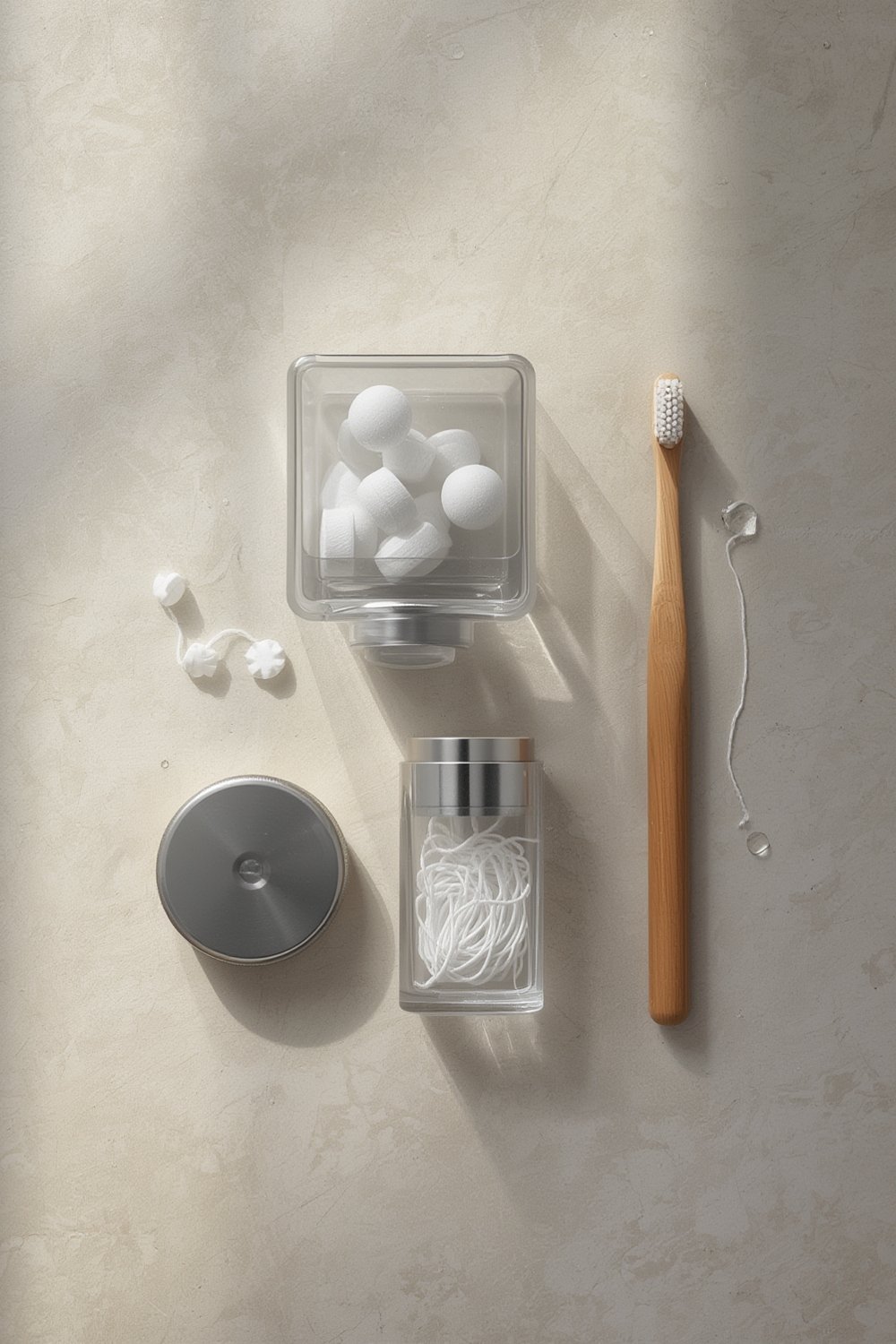
Refillable dental systems are intentionally designed oral care tools built for repeated use with replaceable or compostable components. They stand in opposition to single-use plastic toothbrushes, toothpaste tubes, conventional floss, and picks. This category includes glass floss dispensers, tablet toothpaste systems, stainless or compostable toothbrush handles with replaceable heads, and reusable interdental brushes.
Why does this matter for infrastructure? Instead of treating oral care as a string of disposable “products,” refillable dental systems make oral hygiene a repeatable, minimal-waste home routine. That supports zero-waste oral care by drastically reducing landfill-bound plastics—and, if implemented consistently, could minimize both cost and resource consumption for years.
Sustainability awareness is reshaping market demand: reusable interdental brushes surged to a commanding 71.2% share of the global interdental brush market in 2024, underscoring real consumer appetite for long-life, refillable solutions (Market.US).
Market Outlook: Are Green Dental Products Gaining Ground?
Zero-waste oral care is moving from an eco-niche to a significant market force, but data is less robust than marketing claims suggest. Global interdental brush sales—where reusable types lead—were valued at USD 297.1 million in 2024, projected to hit USD 457.0 million by 2034 (Market.US), representing a CAGR of 4.4%. The broader oral care devices sector is expected to jump from USD 4.91 billion in 2025 to USD 7.24 billion by 2032 (Coherent Market Insights).
Tablet toothpaste, glass floss dispensers, and compostable brushes are seeing more shelf space, driven by waste-conscious consumers. But despite growing adoption, eco-verification, cost analysis, and performance data still lag—leaving most buyers in the dark about true value and sustainability.
Key Pain Points: What Consumers Need to Know Before Switching
Switching to refillable dental systems is not always seamless. Major pain points flagged by early adopters and rarely covered by mainstream reviews include:
- Compatibility: Refill heads, tablets, or floss spools aren’t always interchangeable across brands. This leads to frustration and, ironically, more waste if you switch “infrastructure” mid-stream.
- Effectiveness & Durability: There’s no independently verified data comparing cleaning performance or expected lifespan of refillable systems to regular products (see below).
- Transparency: No central resource tracks user complaints, breakage rates, or daily quirks—so the buyer’s real-life experience is almost anecdotal. Certification of compostability or biodegradable claims is spotty at best.
This audit found that most highly ranked articles skip over evidence-based head-to-heads. See our full Low-Impact Bathroom System Audit for deeper reviews of plastic-free oral care infrastructure.
Comparing the Price Tag: Upfront and Ongoing Costs
What’s the real cost of switching? Marketers claim long-term savings with refillable dental products, but hard numbers are rare. For example:
- Tablet Toothpaste Audit: Most brands cost more upfront than bulk tubes, but may become competitive over a year if waste and shipping are reduced.
- Glass Floss Dispensers: Require higher start costs but can last indefinitely—if compatible refill spools remain available.
Recent research credits reusable interdental brushes for their cost efficiency, leading to 71.2% market share, but specific cost-per-use breakdowns—factoring in replacement tablets, heads, or damage—are missing (Market.US).
It’s worth noting that disposables, valued at USD 456.10 million in 2018 and still growing, create ongoing, compounding expenses. But there is a lack of evidence quantifying these savings across refills and time spans.
The Modular Refill Infrastructure audit covers how refill logic impacts other parts of the home, not just the bathroom.
Behind the Hype: Material Choices, Certifications & What’s Still Unknown
Eco-verdict on popular materials? Glass Floss Dispensers, bamboo/plant-plastic brush handles, and tablet toothpaste all sound promising—but with few independent technical standards or certifications:
- Glass Floss Dispensers: Tough, endlessly refillable, but only if threaded refill spools remain available and compatible; third-party safety or breakage audits are not public.
- Compostable Brush Tech: Compostable brush tech: Biodegradable bamboo and plant-based plastics are hot materials, but with no uniform industry certification or actual biodegradable testing found (Technavio).
- Tablet Toothpaste Audit: Few brands disclose ingredient sourcing, manufacturing energy, or recycling ability of used tablet containers.
Consumers should ask for specific certifications (compostability standard, plastic-free verification), batch data, and a straightforward refill route. Relying on generic “green” claims risks backsliding into single-use territory. For more on material rigor in at-home infrastructure, see our Circular Kitchen Systems Audit.
Real Environmental Impact: Hype Versus Measurable Change
The sad reality: No peer-reviewed studies or publicly available reports actually quantify landfill diversion or lifecycle carbon reductions for zero-waste oral care—yet these claims drive most product marketing. This audit found:
- No brand-backed or independent lifecycle analysis for refillable dental systems (CO2, energy, landfill savings).
- Eco-friendly materials (like bamboo and compostable plastics) are rising, but without standardized reporting on true biodegradability (Technavio).
- Most environmental data is indirect—for example, the rapid adoption of reusable interdental brushes driven by consumer sustainability awareness, not measured impact (Market.US).
Until there is rigorous evidence and measurable impact, eco-savvy buyers should push for more transparency. For infrastructure-grade lifecycle assessments, see our Ethical Organization & Lifestyle Systems Audit.
Are Compostable Brushes Effective? An Evidence Check
Compostable brush tech is surging in marketing popularity, but what’s proven? This audit found zero verifiable, independent data on:
- Cleaning performance of compostable brushes vs. regular nylon/bristle heads
- Durability across months or years of use
- True compostability in home or municipal systems (none referenced product batch or third-party testing)
Reusable interdental brushes, usually made of nylon bristles and wire, are documented for durability and popularity (77.8% use nylon, 61.3% use wire handles, per Market.US). But if compostable brush heads break quickly, lose bristles, or fail to biodegrade, they don’t outperform disposables. For related issues in long-life home tools, see our Infinite-Life Razor Systems Audit.
What’s Still Missing? Three Questions the Industry Hasn’t Answered
The refillable dental systems category has not answered three key infrastructure-level questions:
- User Experience on Switching: Reports of practical troubles (compatibility, cleaning performance, ergonomics) are anecdotal, with no broad user surveys available.
- Technical Specs & Certification Transparency: Most brands skip third-party material testing, certification, or even batch-level disclosure on compostability and safety.
- Hard Cost and Environmental Data: There is a near-complete lack of public, audit-ready breakdowns of long-term cost-per-use, lifetime savings, or lifecycle carbon offsets relative to single-use counterparts.
To see how other home systems solve for durability and cost, check our Durable Air Purification Systems Audit or Circular Laundry Drying Infrastructure Audit.
Implementation & Systems Integration: Steps for Making the Switch
To shift your home’s oral care infrastructure to a refillable model:
- Start with a baseline audit: What is your household using (toothbrushes, floss containers, toothpaste tubes), and how often do you replace them?
- Research credible refillable options with a track record—not just on green claims, but user-reported durability and easy refill sourcing.
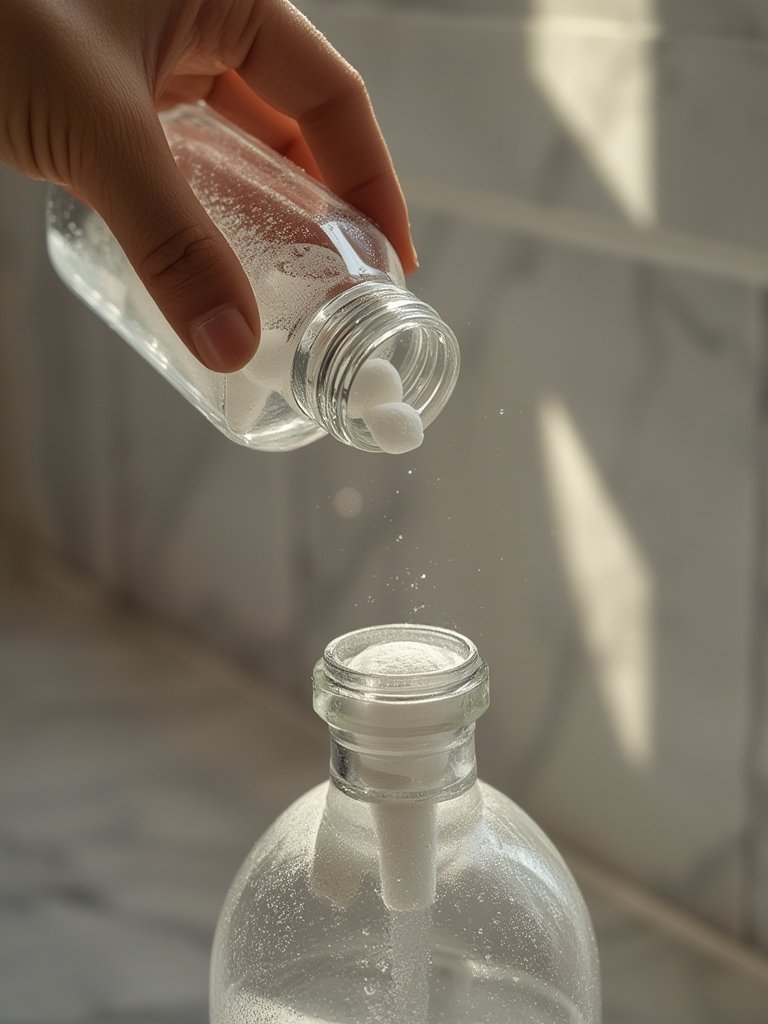
- Where possible, trial a hybrid system: keep an existing “open” glass floss dispenser or tablet toothpaste jar next to your regular option, and monitor compatibility and usability over two weeks.
- Document issues: track compatibility problems, switching pains, and refill sourcing difficulties.
- Only invest fully when you find a system with true infrastructure advantages—modular, sturdy, and with long-term refill support.
If you want to approach refillable hygiene in a holistic way across the home, see our Low-Impact Bathroom System Audit, which ranks entire systems instead of one-off products.
Comparative Analysis & Fail Points: Cost and Durability Showdown
How do refillable dental systems really stack up against legacy single-use options? Here’s a direct comparison focused on cost-per-use (based on fragmentary market data and estimates) and durability:
| Standard “Disposable” Oral Care | EcoVerdict-style Refillable System | |
|---|---|---|
| Cost-per-use (Year 1) | Low per unit but adds up fast; constant repurchase | High upfront (dispenser/tablet system); ongoing refill costs drop per year—no real public data |
| Durability | Single-use; weak, plastic items break quickly | Glass/steel dispensers last 2-5+ years if not dropped; refill heads/brushes depend on material strength (data missing) |
| Long-term Waste Generated | Piles of plastic per year; little recycling potential | Minimal waste if refilled properly. Compostable components can fail if not certified or compatible with local composting |
| User Complaints | Usually not tracked; waste is hidden cost | Reports of incompatibility, lack of true compostability, but data are anecdotal |
For in-depth infrastructure pricing audits, see our Smart Utilities & Eco-Tech Directory or Ethical Organization & Lifestyle Systems Audit.
Conclusion: Is the Promise of Refillable Dental Systems Real?
Here’s the bottom line: Refillable dental systems have the potential to seriously reduce waste and save money, but the supporting evidence for environmental, cost, or performance gains remains largely incomplete. Lack of audits on cleaning effectiveness, material safety, and true cost breakdowns are the system’s weakest points. For now, households must audit and test options themselves, staying alert for real certification and refill compatibility before investing in these “infrastructure” upgrades. For a full upgrade path to more resilient, low-waste hygiene systems, see our complete Low-Impact Bathroom System Audit.
Final Verdict: Do your own refillable system test, insist on certification proof, and demand transparent reporting from brands claiming zero-waste. Refillable Dental Systems deserve a place in your home infrastructure—but only if they deliver verified value, not just marketing hype.
Frequently Asked Questions
Are refillable dental systems really better for the environment?
They can be if properly refilled with durable components and minimal packaging, but so far, there’s little measurable lifecycle or landfill diversion data available. Most benefits are inferred from material reduction rather than proven by audits or studies.
What’s the biggest risk in switching to refillable dental products?
Compatibility is a major pain point—many brands use proprietary sizes for refills, which can result in stranded, unrefillable gear and more waste. Always check for universal or “open-source” refill systems before investing.
Is there any independent proof that compostable toothbrushes work well?
No. There’s currently no third-party data on cleaning effectiveness, bristle durability, or real-world compostability for these products as of 2024. Look for lab reports or independent verification as the industry matures.
Will using tablet toothpaste or glass floss dispensers save money?
Possibly over the long-term, but only if refills remain affordable and universally available. Hard, comparative cost-per-use data is lacking—so track your own usage and expenses to verify savings.
Where can I learn more about integrating refillable systems across the home?
Check our comprehensive Modular Refill Infrastructure Audit for systematic approaches to home refills, plus related guides for kitchens and bathrooms.
—