

### Blog Post:
Durable Air Purification fails most homes and facilities on two fronts—wasteful filter swaps and uncertain real-world results. Despite a surge in permanent filter tech, inefficiency still lurks in unclear specs, unverified claims, and unclear long-term costs. This operational audit investigates if the promise of “durable” air purification stands up to infrastructure-grade scrutiny—and highlights systemic problems buyers rarely see.
Audit Highlights
- The global air purification market (all tech types combined) hit USD 16.34–18.34 billion in 2024-2025, forecasted to surge to USD 34 billion by 2033-2034, but the industry provides no transparency into the permanent filter segment (source | source).
- Despite sustainability claims, there is zero peer-reviewed or third-party audit data comparing washable vs. disposable HEPA filter performance (source).
- Five- to ten-year lifecycle cost data for permanent filter systems versus standard (disposable) models is not available in current research—leaving long-term ROI an open question.
- The Technical Blueprint: What Makes Air Purification ‘Durable’?
- Implementation & Systems Integration
- Comparative Analysis & Fail Points
- Conclusion: The Final Verdict
- FAQs
The Technical Blueprint: What Makes Air Purification ‘Durable’?
As “durable air purification” shifts from trend to infrastructure goal, market projections show robust growth. The global air purification market is valued at USD 16.34–18.34 billion in 2024-2025, with a projected reach of USD 34 billion by 2033-2034 (Precedence Research). Yet, the definition of durability—for consumers—requires more than just a robust plastic shell. Permanent filter tech (including washable and non-disposable designs) offers two critical promises: eliminate single-use waste and deliver multi-year (or even lifetime) service with basic maintenance.
Still, product data remains vague. The market currently bundles all air purification systems together, providing no segmentation for units using permanent filters. Even leading brands using “permanent” claims fail to disclose certified test results or independently verified lifespans. Instead, durable air purification is emerging as a marketing term, not an audited infrastructure feature.
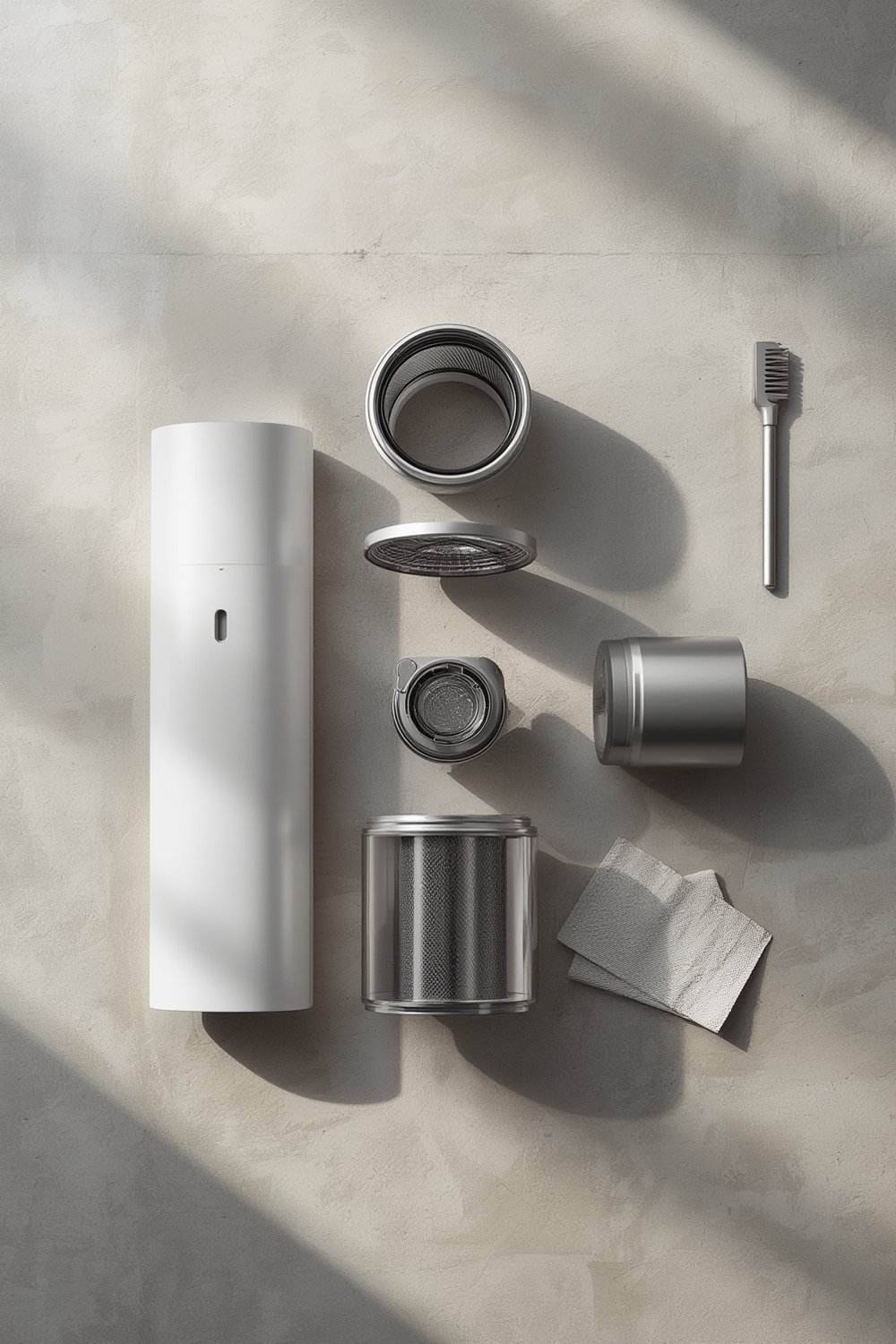
Material integrity and filtration performance aren’t just about initial build quality. Facility managers and eco-conscious homeowners demand evidence: Will a washable HEPA filter degrade with every cycle? Is a non-disposable filter merely resisting the landfill, or does it actually filter as effectively in the long term? These questions remain unaddressed. Until technical benchmarks like CADR (Clean Air Delivery Rate) and lifecycle audits are available for permanent filter models, the market operates in a fog of unverified claims.
Sustainability trends do point to progress: manufacturers now develop washable or regenerable filters, and prioritize energy efficiency. But with no dedicated category-level research or definitive performance audits, durable air purification systems are still largely a black box for infrastructure-minded buyers.
If you seek other infrastructure-grade product evaluations, see our full Circular Kitchenware System Audit and Smart Utilities & Eco-Tech Directory for cross-category benchmarks.
Implementation & Systems Integration
Treating air purification as infrastructure means considering not just which unit you buy, but how it integrates and endures. For a true “lifetime air purifier” approach:
- Audit your current air quality and space needs. use portable sensors or building integration.
- Choose systems engineered for continuous use—not just intermittent or seasonal cycles.
- Insist on clear filter access for user maintenance; hidden or tool-required filters defeat permanence benefits.
- Monitor filter integrity (visibly and via air quality testing) at every maintenance interval; don’t trust reset LEDs alone.
- keep a written maintenance and service log—like any building asset—to track costs and performance over time.
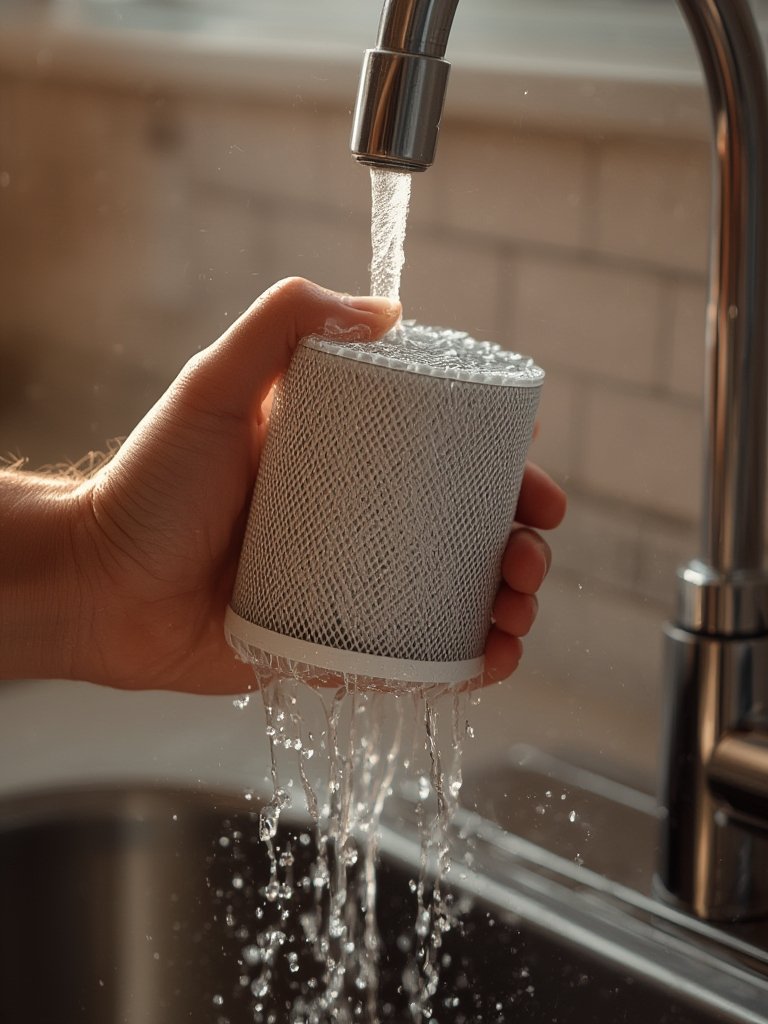
For facilities retrofitting legacy systems, prioritize modular architecture and ‘open’ filter access, as seen in other permanent infrastructure reviews (compare to modular refill plumbing in our Modular Refill Infrastructure Audit).
Finally, integrate air purification maintenance schedules into your broader facilities management system. This not only streamlines upkeep, but improves long-run ROI benchmarking—assuming the vendor provides enough usable technical data (which, currently, most do not).
Comparative Analysis & Fail Points
Industry optimism about permanent filter tech often obscures key fail points. Here is where the real vulnerabilities—and unknowns—reside:
- No reliable audit of washable vs. disposable HEPA performance: As of mid-2024, no scientific literature or standards body has published comparative filtration efficiency data or third-party audits (Precedence Research).
- No 5–10 year cost-of-ownership data (Zion Market Research): Theoretical savings from eliminating filters are unprovable without lifecycle audit data. If manufacturers do not disclose real-world service rates or costs, buyers must assume the risk themselves.
- No dedicated regulatory certification: The EPA, AHAM, and other standards organizations have not specified test protocols or standards for washable/non-disposable filter models (source).
- Consumer complaints don’t translate directly: Noise and reliability data exist for disposable HEPA models only. Problems unique to washable systems—like post-wash loss of filtration—are not tracked in mainstream datasets (Accio.com).
Here’s a cost and durability comparison, using available (but incomplete) data:
| System Type | Estimated Cost-Per-Use (5 Years) | Durability (Expected Filter Service Life) |
|---|---|---|
| Standard HEPA (Disposable) | $0.15–$0.22 per day (includes ~$200–$300 in filters) | 6-12 months per filter (per manufacturer claims) |
| Permanent Filter Tech (Washable/Non-Disposable) | Unknown (no published 5-year audit) | Claimed “years” or “lifetime,” but typically no third-party or material audit provided |
Until vendors provide transparent cost and performance audit data, treat ROI promises in advertising as provisional.
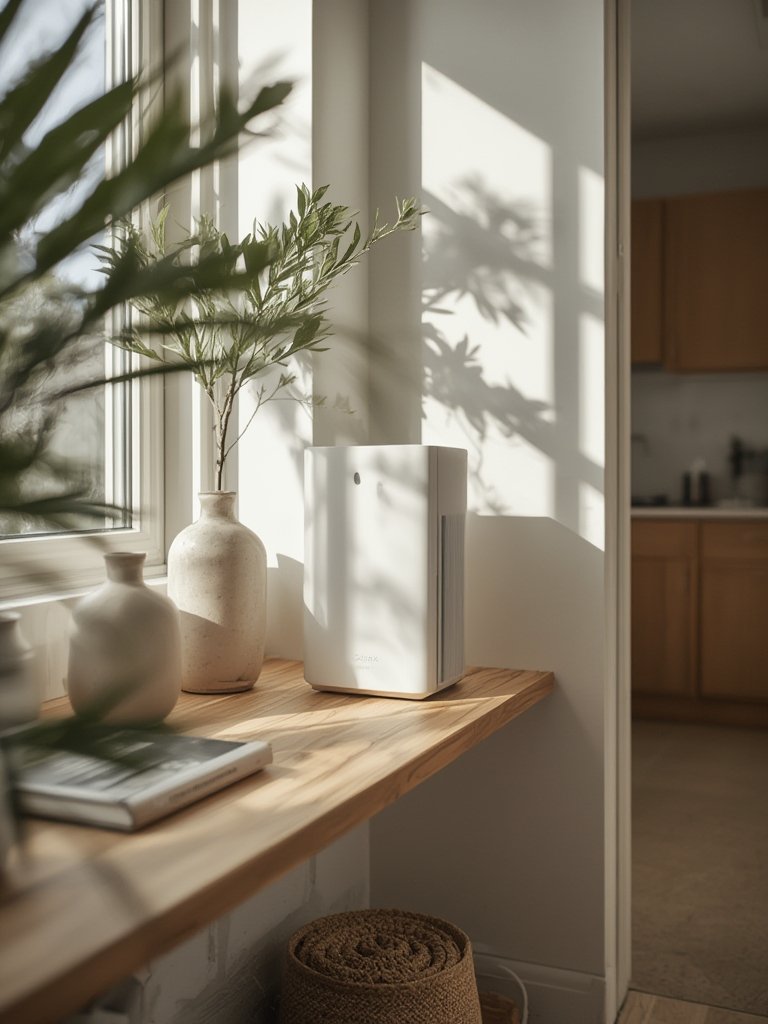
If you’re focused on cross-category infrastructure, see our Low-Impact Bathroom System Audit and Water Purity Infrastructure Audit for deeper audits on home purification and moisture systems.
Conclusion: The Final Verdict
Durable air purification—with permanent or washable filters—sits at the edge of a major market transition. Infrastructure buyers should demand more: certified wash cycles, independent filtration audits, and honest 5- to 10-year cost assessments. Right now, the market’s “durable air purification” pitch cannot be fully verified—because the critical data (from filter degradation rates to true lifecycle savings) is not public. For those seeking real infrastructure performance and transparency, scrutinize every claim and require supporting audit data.
Ready to look beyond air? See our comprehensive Ethical Organization & Lifestyle System Audit for insights on integrating sustainable infrastructure across your home.
FAQs
How does permanent filter tech work in air purification systems?
Permanent filter tech uses washable or regenerable filter media designed for repeated use, as opposed to disposable HEPA filters. After cleaning, the same filter can be put back. However, performance longevity and filtration efficiency after multiple cycles remain largely untested by independent parties.
Do washable HEPA filters perform as well as disposable ones?
No comparative, peer-reviewed efficiency data is available for washable versus disposable HEPA filters. Manufacturers make performance claims, but third-party lab audits are still lacking in 2024.
Is there a cost benefit to using a lifetime air purifier?
Theoretically, eliminating regular filter changes should lower total cost of ownership. However, no 5–10 year lifecycle cost audits comparing permanent and disposable systems are available. The actual benefit is unverified.
Can I trust “lifetime” or “permanent” filter claims?
Be cautious. Unless the manufacturer provides audited filter lifespan (measured in cycles or years) and replacement availability, the claim is largely marketing. Ask for supporting documentation.
Are there any regulatory certifications for non-disposable air tech?
Currently, major regulatory and certification bodies (EPA, AHAM) do not offer specific tests or endorsements for washable or non-disposable air purifier filters. Only general air quality certifications may apply.
—