

### Blog Post:
System Failure: Ethical Battery Storage is often treated as just another consumer gadget, but most home backup systems today are failing the test of long-term infrastructure. Inefficiency, waste, and supply chain blind spots dominate 2024’s adoption wave—creating hidden technical and ethical costs that very few residential audits expose. This operational audit cuts through the noise with a focus on material integrity, lifecycle performance, and realistic gaps in mainstream battery system evaluation.
Audit Highlights
- Global home storage deployment doubled in 2024, but no market statistics track Ethical Battery Storage by supply chain or recycling certification (source).
- Lithium-ion commands 70% market share—yet consumers lack access to chemistry-specific lifecycle, cost, or safety data (NREL ATB 2024).
- Lithium-free alternatives remain unproven in 2024; no commercial deployments meet resilience or sustainability benchmarks for home use (industry report).
- The Technical Blueprint: Redefining Battery Storage as Home Infrastructure
- Implementation & Systems Integration: Actionable Steps for Homeowners & Auditors
- Comparative Analysis & Fail Points: Where Most Battery Storage Solutions Break Down
- Conclusion: Auditor’s Final Verdict on Ethical Battery Storage
- FAQs: Hard Data for Responsible Decision-Making
The Technical Blueprint: Redefining Battery Storage as Home Infrastructure
Home backup batteries aren’t just “devices.” They’re a backbone technology, now equipping millions of homes for grid outages and energy autonomy. In 2024, global home energy storage system (HESS) adoption reached historic levels: over $6.89 billion projected by 2034, a step-change powered mainly by lithium-ion batteries. North America led with a 45% market share, and California alone topped 12.5 GW in installed capacity. But in all this growth, “ethical” qualifiers—such as supply chain transparency, fair labor sourcing, and end-of-life recycling—remain almost entirely untracked.
Why does this matter? Batteries touch every link in the resource chain: mining, processing, logistics, in-home performance, and disposal. An Ethical Battery Storage infrastructure ideally protects both user security and environmental health—requiring continuous, auditable compliance. This is still a future goal, not a present reality. Most home power backup audits today overlook:
- Supply origins, material toxicity, and conflict mineral risks
- Durability and circularity (can the system really last 10+ years, or will it wind up in landfill?)
- Transparent, chemistry-specific data on performance, safety, and recycling pathways

So far, lithium-ion is the default for home energy storage (HESS)—70% of the 2024 market. Of those, LFP (lithium iron phosphate) chemistries are preferred for fire safety and longer cycle life, yet no studies or consumer-facing certifications allow buyers to compare these batteries to traditional lithium-cobalt or emerging lithium-free options on true lifecycle metrics.
Accountable infrastructure isn’t just about watt-hours—it’s about stewardship. Real Smart Utilities & Eco-Tech System Audits stress material traceability, cost-of-ownership transparency, and recycling routes. There is no “ethical ledger” in public home battery data—just sales stats and headline incentives.
Implementation & Systems Integration: Actionable Steps for Homeowners & Auditors
If you’re determined to evaluate or specify batteries as true infrastructure (not just a flashy home upgrade), here’s where to focus:
- Audit vendor claims for third-party certifications, such as ISO 14001, Responsible Minerals Assurance, or UL environmental standards.
- Request disclosure on material origins, especially with respect to lithium, cobalt, and phosphate sourcing. Prioritize chemistry that minimizes high-risk minerals.
- Insist on warranty and cycle-life documentation aligned with intended use—backup systems face different stress than daily cycling “load-shifting” batteries.
- Integrate battery health and recycling status tracking into your overall Ethical Organization & Lifestyle System Audit—are used modules recycled in region, or exported as e-waste?
- Where possible, specify modular, repairable systems to extend operational life (see the Circular Kitchen Infrastructure Hub for design analogues).
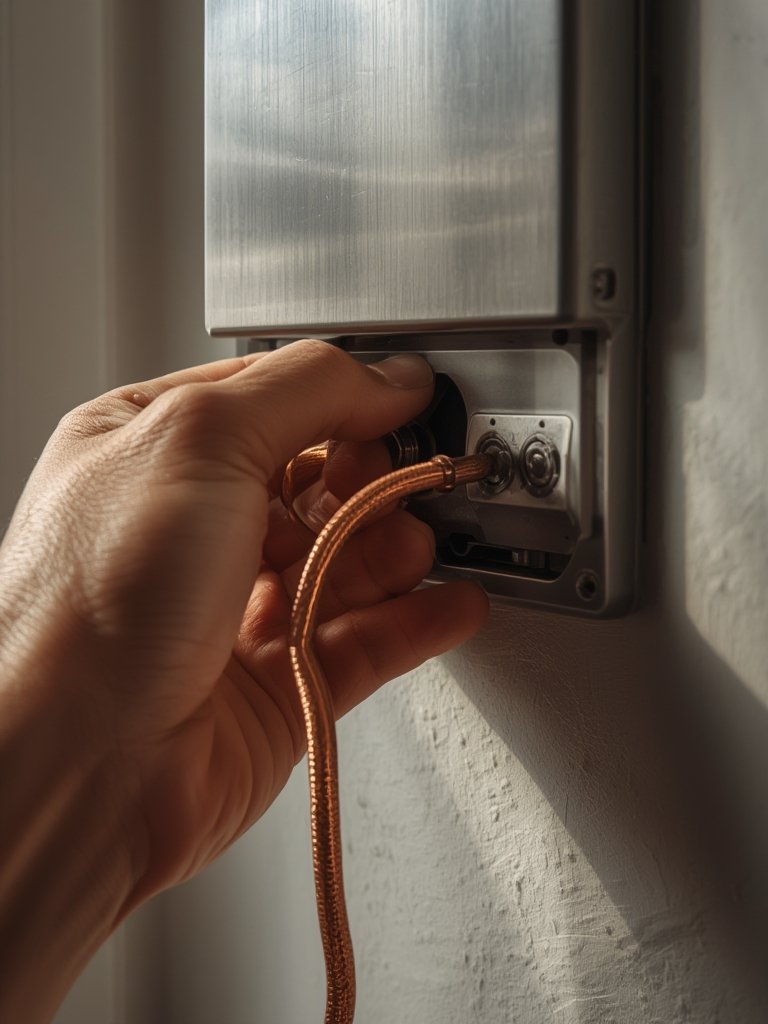
Battery selection and siting must be adapted to context: fire-safe LFP chemistry for densely populated areas; modular, easily dissassembled systems for regions lacking local recycling; integration with energy monitoring platforms for ongoing Home Waste AI Audits. Don’t get sold on “off-grid” dreams without a technical roadmap for recycling, repurposing, and cost-of-ownership past the 7-year mark.
Comparative Analysis & Fail Points: Where Most Battery Storage Solutions Break Down
Here is where technical audits expose problems that marketing materials never mention. Despite fast-falling system prices (down 40% in 2024, with residential storage in China now ~$60/kWh), true “cost-per-use” and real durability data—especially by battery chemistry—are still unavailable to consumers. Market studies rarely publish:
- Total procurement or disposal risk; lithium-ion recycling systems are underfunded and regional at best (industry cost report).
- Comparison of LFP vs. traditional lithium-ion (NCM/NCA) on total lifecycle emissions, recycling ease, or mining impact. Research in 2024 found no conclusive data linking chemistry to carbon or toxicity reductions.
- True safety records—many home fires implicate lithium-ion batteries lacking thermal management or robust BMS (battery management systems).
| Criteria | Standard Home Battery System | EcoVerdict Ethical System (Target State) |
|---|---|---|
| Cost-per-use | Unknown (costs falling but no consistent per-cycle or per-kWh audit; upfront purchase only) | Tracked across full lifecycle—includes installation, operation, maintenance, and recycling/reuse credits |
| Durability | Warranty varies by vendor (5-10 years), but public field failure data lacking | 10+ years documented with open-access cycle logs and “right to repair” replacement of degraded modules |
| Supply Chain | No public reporting on source minerals, conflict mineral risks, or labor standards | Full traceability from mine to module; third-party conflict-free and worker-safety certifications |
| Recycling Pathways | Ad hoc; often exported e-waste or landfill at end of life | Closed-loop recovery and material reintegration into local supply chains |
| Performance Transparency | Missing—chemistry-specific, independent field data not published | All specs and field reliability audited openly |
One more critical gap: In 2024, no lithium-free battery chemistry (including sodium-ion, flow, or aluminum-ion) had reached any notable commercial deployment for home backup. The promise is real, but as of this audit, only lithium-ion and its variants (primarily LFP for new installs) are validated by performance and availability standards (Precedence Research).

For more on recovery system infrastructure, see our Regenerative Home Storage System Audit. Technical gaps in home battery recycling mirror what we see in permanent kitchenware and bathroom systems, where closed-loop approaches are still rare (Low-Impact Bathroom Audit).
Conclusion: Auditor’s Final Verdict on Ethical Battery Storage
Battery storage is pivoting from a gadget to core home infrastructure. But the “ethical” dimension—supply integrity, lifecycle transparency, chemistry-specific cost-of-ownership, and fail-safe end-of-life pathways—lags far behind technical deployment. There are no industry-wide audits, consumer data, or public frameworks that let homeowners, auditors, or policymakers confidently source and specify Ethical Battery Storage in 2024. Until that changes, treat all cost, durability, and sustainability claims with skepticism, and demand documentation at every stage. For a full workflow on system-level sustainability, review our Smart Utilities & Eco-Tech audit and related infrastructure benchmarks.
FAQs: Hard Data for Responsible Decision-Making
What makes a battery storage system “ethical” in 2024?
In 2024, an “ethical” system should have transparent supply chains (conflict-free minerals), published recycling/take-back programs, chemistry-specific data on lifecycle impacts, and public safety records. No major providers offer full third-party certification or traceable sourcing yet.
Are lithium-free home backup batteries a genuine option this year?
No. Although sodium-ion and flow batteries are in development, none reached significant commercial home deployment in 2024. All mainstream systems still use lithium-based chemistries (primarily LFP for new installs).
How can I compare total costs between LFP batteries and alternatives?
Independent, chemistry-specific cost-of-ownership data (installation, maintenance, recycling) is not published for 2024. Most buyers must piece together vendor claims, which often exclude repair or recycling costs.
What risks come with lack of supply chain transparency?
Risk of supporting unsafe extraction, forced labor, or environmental harm in mining regions. Without traceable supply chains, consumers and auditors can’t guarantee responsible mineral sourcing or fair labor practices.
Where can I read audited reviews or guides for related sustainable home systems?
See our full Smart Utilities & Eco-Tech audit, or explore guides for permanent kitchen and bathroom systems (Circular Kitchen, Low-Impact Bathroom) for parallel infrastructure reviews.

[…] For a complete systems comparison including battery storage for drying infrastructure, see our Ethical Battery Storage System Audit. […]
[…] translates into bigger infrastructure overbuild and higher backup storage requirements—see our Ethical Battery Storage Audit for ways to buffer these systemic […]
[…] automated threat notifications. For off-grid smart homes, integration with backup power (see our Ethical Battery Storage Audit) is recommended for weather […]