

Cast Iron Restoration doesn’t just solve a home cook’s nostalgia; it spotlights a fractured system in modern kitchenware infrastructure—excess waste, rapid obsolescence, and the lack of standards turning potential assets into landfill. This operational audit uncovers what’s driving commercial and collector appetite for restored vintage cast iron, why reliable audit frameworks and process integrity matter, and exactly where industry reporting still falls short.
Audit Highlights
- The global cast iron cookware market reached as high as $3.1 billion in 2024, but restored vintage cast iron remains a niche, data-poor segment with rising consumer and collector interest. (ShelfTrend)
- Heritage cookware audits and transparent technical restoration standards are absent across the sector, exposing a clear gap for commercial buyers and resellers.
- Despite strong sustainability narratives, there are no documented studies quantifying the circular kitchen durability or environmental impacts of Cast Iron Restoration.
- The Technical Blueprint
- Implementation & Systems Integration
- Comparative Analysis & Fail Points
- Conclusion
- FAQ
The Technical Blueprint
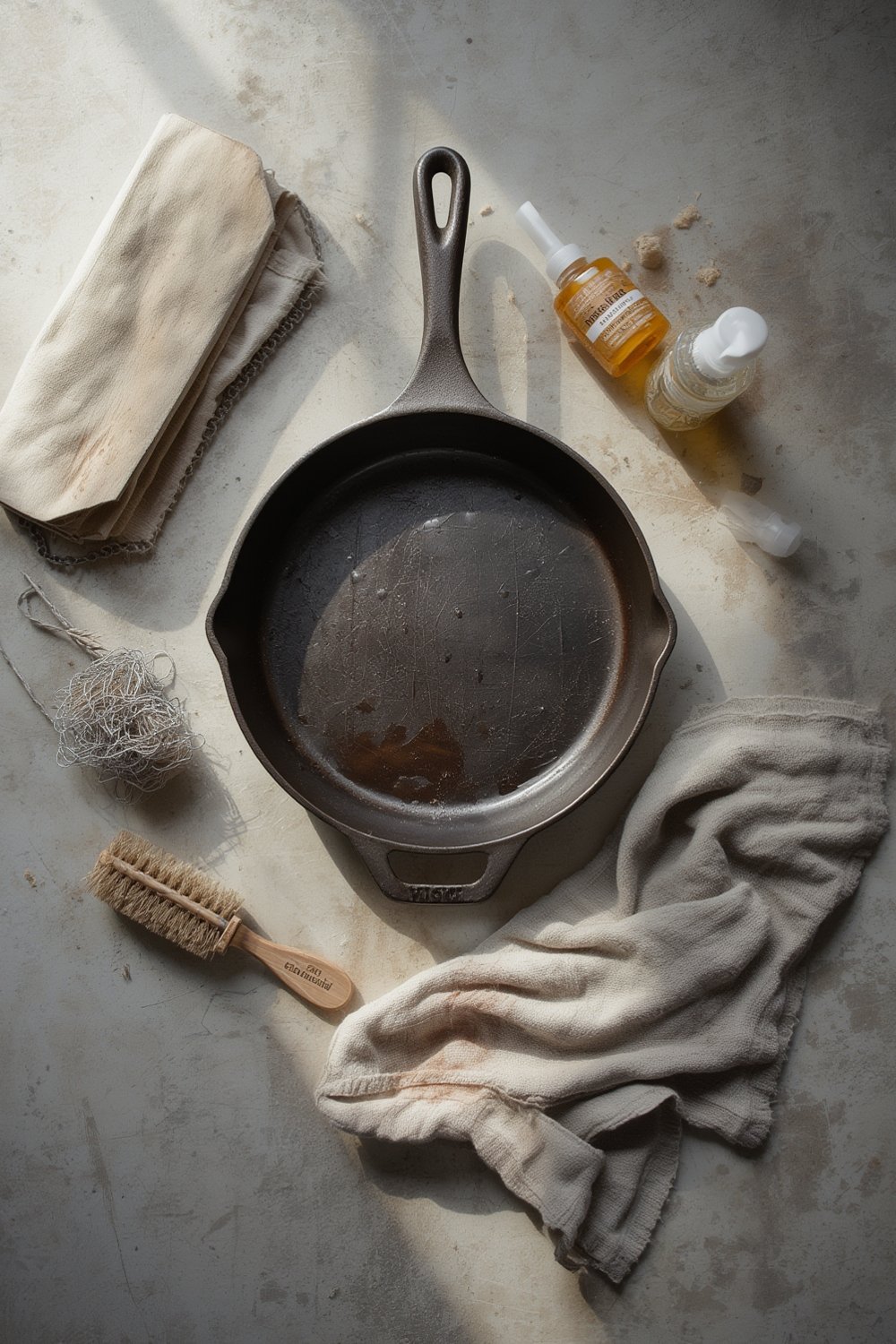
Restored vintage cast iron shouldn’t be viewed as a simple upcycling trick—it’s a form of material asset management, reintroducing high-integrity infrastructure into the kitchen. The cast iron restoration niche, projected within a cookware market size of $2.30–$3.1 billion in 2024 (Market Research Future), sits at the intersection of quality assurance, artisanal heritage, and resilient reuse. North America leads at $0.907 billion, with vintage restoration noted mainly as a direct-to-consumer platform opportunity, especially on channels like Etsy.
Collectors and sustainability-focused buyers are drawn to restored vintage cast iron for three main reasons:
- Heritage Value: Unique forms, historic provenance, and perceived craftsmanship distinguish these pieces from mass-market alternatives.
- Infrastructure Resilience: Properly restored, these pans can deliver decades of reliable service, outlasting typical nonstick or disposable items.
- Circular Kitchen Integration: Restoration extends the functional lifecycle, ideally closing the loop on cookware waste and aligning with circular kitchen principles.
But despite the clear infrastructure upside, the field is clogged with subjective claims and an absence of industry-standard audits or documented restoration performance criteria.
Implementation & Systems Integration
For commercial buyers, chefs, and resellers, integrating restored vintage cast iron into an operational kitchen system demands far more than just stripping rust and adding oil. Without uniform standards, most efforts fall into three inconsistent buckets:
- DIY Home Restorations: Often lack process control, with variable results and unknown safety outcomes. Common errors include uneven or insufficient seasoning, aggressive abrasion damaging the cooking surface, or unsafe chemical use.
- Professional Restoration: More reliable, especially regarding thorough stripping, food-safe treatments, multi-stage polymerization of oils, and visual/auditory surface testing. Yet, there are still no published technical benchmarks or certification schemes for what counts as “professionally restored.”
- Audit-Driven Collecting: A few top-tier resellers document provenance or era, but formal “heritage cookware audits” are rare, and there’s no commercial consensus around inspection checklists.
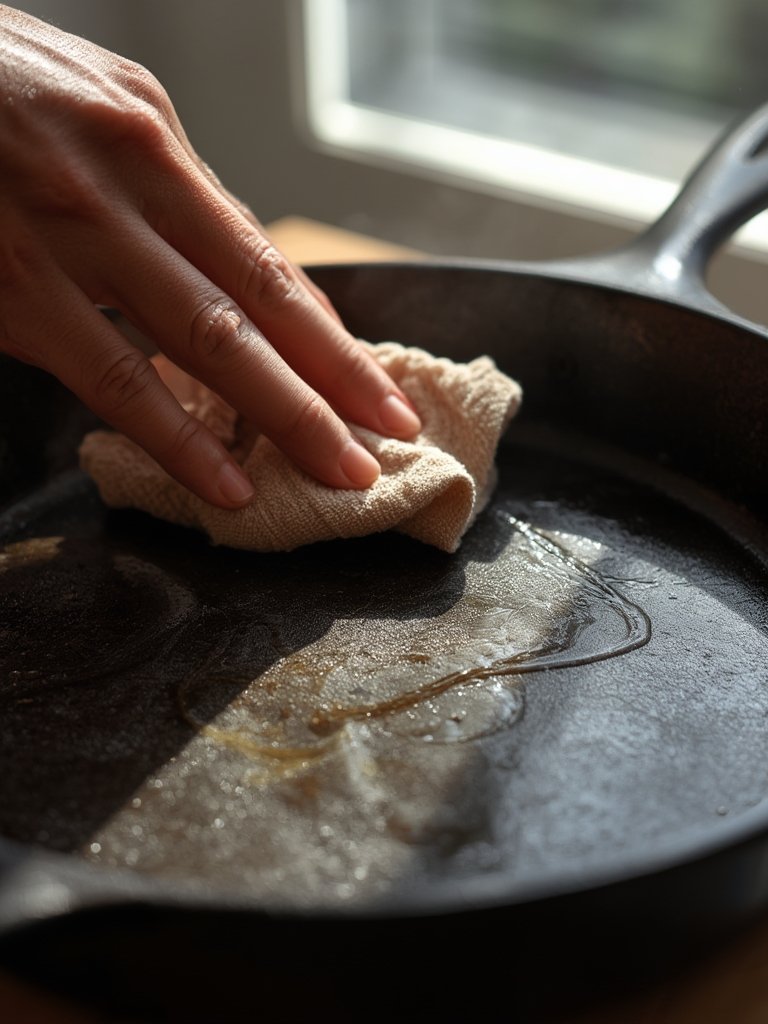
In operational terms, the integration process should include:
- Source Verification: Prioritize pans with traceable manufacturing marks or distinct historical signals for collector demand and authenticity.
- Material Testing: Assess for microcracks (tap/sound test), warping, pitting, and the presence of any original non-food-safe coatings.
- Standardized Restoration: Where possible, ensure sequential stripping (lye, electrolysis, vinegar soak), thorough food-grade neutralization, multi-stage polymerization of oils at specified temperatures, and clear user instructions on future care.
- Heritage Cookware Audit: While no industry checklist exists, a robust audit should document brand, era, defects, refurbishment steps, and provide a photo log to strengthen resale value for investors and resellers.
Unfortunately, the process remains subjective. As of 2024, industry and consumer data show a complete lack of technical criteria for what constitutes a truly restored pan—meaning many items marketed as “restored” can still risk operational failure, food safety, or depreciation in value over time (WiseGuy Reports).
Comparative Analysis & Fail Points
While vintage restoration carries icon status in the circular kitchen, practical risks abound:
- No Cost Benchmarks: No 2024 data exists comparing labor or material costs for professional vs. DIY cast iron restoration, nor is there market clarity on ROI for resale or operational savings.
- Circular Kitchen Durability: No authoritative studies or user-driven benchmarking exists comparing the life or performance of restored vintage cast iron vs. modern “infinite life pans.”
- Restoration Uncertainty: Missing standards leave commercial and collector buyers exposed to variable quality, hidden microdamage, and “restored” pans that underperform or fail prematurely.
- Unproven Environmental Impact: Despite conventional wisdom, there are no lifecycle studies quantifying the actual sustainability edge of restoration over new purchase (GIIResearch).
| Restoration Model | Cost Per Use | Durability Profile |
|---|---|---|
| Standard DIY/Unverified | Unknown — varies by skill, may create hidden risks | Inconsistent; variable from years to decades, often unproven |
| EcoVerdict Audit System | Trackable over asset life; supports strategic repurchase/rotation | Validated, potentially multi-decade with audit trails and restoration records |
For reference, see our full Circular Kitchen Infrastructure Hub audit for a broad product-to-system integration breakdown.
Unsurprisingly, most top-ranking articles fail to address these technical or process gaps, focusing only on superficial resale appeal or basic use. This leaves commercial entities, investors, and chefs with no path to quantify restoration performance or regulatory compliance.

Conclusion
Restored vintage cast iron can serve as resilient infrastructure, not just a consumer trend, if proper audits and validated restoration methods become the norm. Right now, the gap in cost, durability, and sustainability data leaves most of the sector operating on trust and anecdote rather than system-level assurance. Commercial buyers, chefs, collectors, and resellers should demand full transparency and push for published standards before repositioning Cast Iron Restoration as a backbone for a truly circular kitchen.
For robust infrastructure strategies across your entire home, see our full Circular Kitchen Infrastructure Hub audit, or explore audits in Smart Utilities & Eco-Tech, Regenerative Home Storage, or Low-Impact Bathroom Systems.
FAQ
Is restored vintage cast iron cookware safe for daily use?
If professionally restored and fully stripped of previous coatings or rust, vintage cast iron can be just as safe as new cast iron. However, DIY restorations carry risk if old coatings or contaminants remain, or if improper cleaning methods are used.
What defines a professionally restored cast iron pan?
Currently, there is no official industry standard for “professionally restored” cast iron. Best practice includes full rust removal, food-safe seasoning, thorough inspection for microcracks, and documented restoration steps. Independent verification or a heritage cookware audit increases buyer confidence.
How does restored vintage cast iron compare to modern “infinite life pans”?
No comparative durability or performance benchmark data exists as of 2024. Anecdotally, both categories can achieve decades of use if properly managed, but lack of transparency in restoration methods adds risk for vintage items.
Are there environmental benefits to restoring cast iron over buying new?
Theoretically yes—restoration avoids the environmental impacts of new manufacturing. But as of now, there are no peer-reviewed studies or life cycle assessments quantifying the savings or impacts of restoration versus new purchase.
How can buyers protect against low-quality restoration work?
Insist on a detailed process log, clear before-and-after evidence, and a provenance audit wherever possible. For investment or heavy-duty food service use, avoid unverified or DIY-restored pans lacking documentation.